

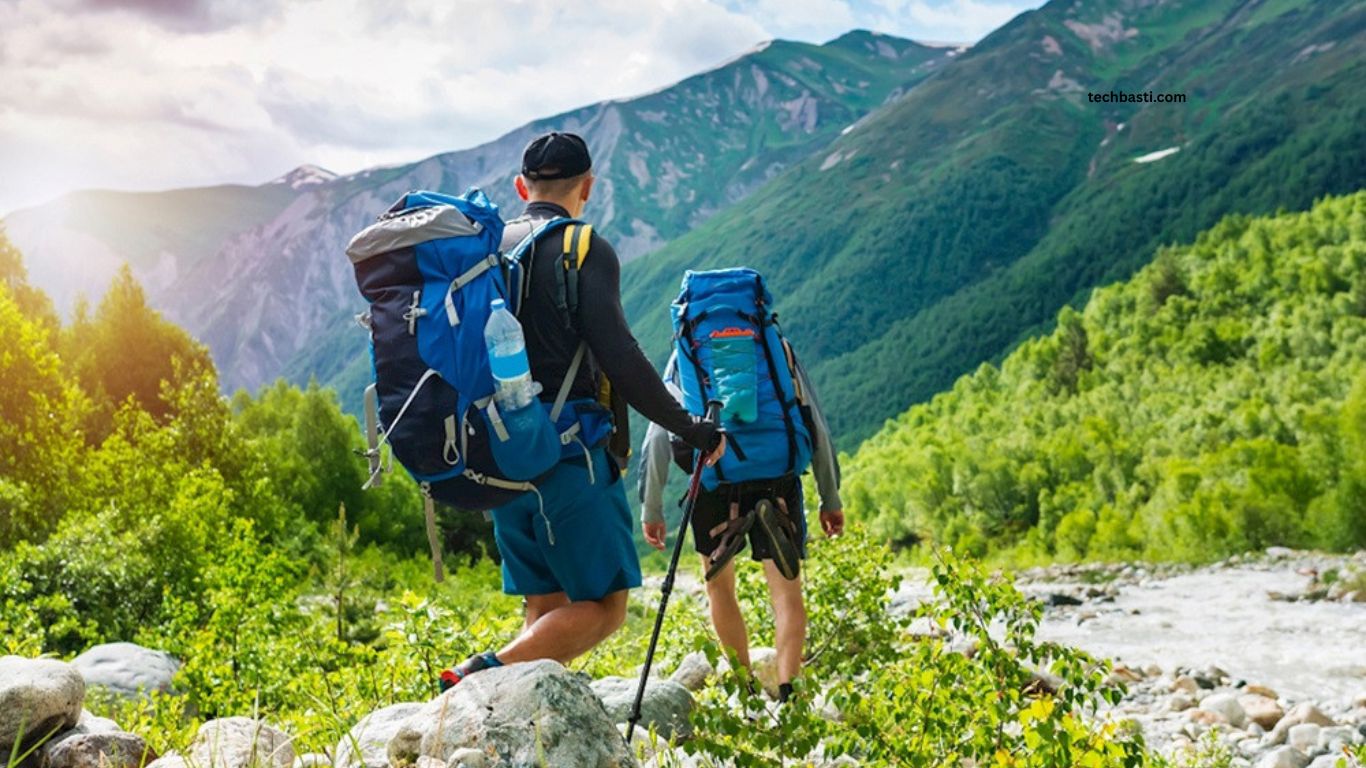
Travel creates exciting opportunities to explore new destinations, experience different cultures, taste local cuisine, and create unforgettable memories. A successful trip, however, requires more than choosing attractions and booking accommodation. Smart travel planning also includes safety preparation, awareness, and responsible decision-making throughout the journey.
Every destination has unique customs, transportation systems, weather conditions, and potential risks. Understanding these factors before departure can help tourists avoid common problems and enjoy their trip with greater confidence. Simple precautions, from protecting personal belongings to keeping important documents secure, can make a significant difference during any vacation.
Read More: Adventure Travel Ideas for Thrill Seekers
Research Your Destination Before Traveling
Good travel safety begins before leaving home. Research your destination to understand local laws, customs, weather conditions, transportation options, common scams, and areas that may require additional caution. Learning basic information about the local culture can also help travelers avoid accidental misunderstandings.
Check official travel advisories and learn about emergency services available at your destination. Save important contact information on your phone and keep a written copy in case your device becomes unavailable.
Keep Important Documents Secure
Passports, visas, identification cards, travel insurance details, and booking information should receive special attention during a trip. Carry only the documents required for daily activities and store valuable paperwork in a secure location.
Make digital copies of essential documents and keep them in a protected cloud account. A separate physical copy can also provide useful backup support if original documents are lost or stolen.
Protect Your Money and Cards
Avoid carrying large amounts of cash while exploring unfamiliar areas. Use secure payment methods and keep money distributed across different locations rather than storing everything in one wallet.
Notify your bank before international travel when necessary and monitor account activity for unusual transactions. Using an ATM located inside a reputable bank or secure establishment can reduce the risk of card skimming and other financial scams.
Stay Alert in Crowded Places
Tourist attractions, markets, public transportation, festivals, and busy shopping areas can attract pickpockets. Stay aware of your surroundings and avoid displaying expensive phones, jewelry, cameras, or large amounts of cash.
Keep bags closed and positioned where they remain visible. Crossbody bags with secure zippers can provide practical protection while sightseeing.
Choose Accommodation Carefully
Accommodation plays an important role in travel safety. Choose reputable hotels, hostels, or vacation rentals with reliable reviews and secure facilities. Check the property’s location before booking and consider access to transportation, emergency services, and well-traveled streets.
After arrival, learn the emergency exits and keep your room key or access card secure. Avoid sharing your room number or accommodation details with strangers.
Use Transportation Wisely
Transportation safety requires attention in every destination. Use licensed taxis, reputable ride-hailing services, official airport transportation, or established public transit systems whenever possible.
Confirm the destination and fare before starting a journey when using taxis. Avoid accepting unsolicited rides from strangers, especially at airports, train stations, and other busy transport hubs.
Avoid Common Tourist Scams
Scammers often target visitors who appear unfamiliar with local prices, transportation systems, or customs. Common schemes can involve fake tickets, inflated prices, unofficial guides, distraction tactics, or requests for urgent assistance.
Learn about common scams before traveling and remain cautious when strangers offer unexpected deals or services. If an offer seems unusually generous or creates pressure to make an immediate decision, step away and verify the information independently.
Keep Your Phone and Devices Protected
A smartphone provides maps, communication, translation, banking, and emergency assistance during travel. Protect it with a strong password, biometric security, and updated software.
Avoid connecting to unknown public Wi-Fi networks when accessing sensitive accounts. When possible, use trusted networks or mobile data for banking and other private activities. Keep backup copies of important travel information in case your phone is lost.
Be Careful With Food and Water
Food and water safety can vary significantly between destinations. Choose restaurants with good hygiene practices and be cautious with unfamiliar food stored in unsafe conditions.
When local tap water is not considered safe for visitors, use sealed bottled water or another reliable source. Pay attention to food preparation and storage, especially in hot climates.
Respect Local Laws and Customs
Every country has its own laws, traditions, and social expectations. Something acceptable at home may be restricted or considered disrespectful elsewhere.
Research local dress codes, photography rules, religious customs, alcohol regulations, and public behavior expectations. Respecting local culture improves interactions with residents while reducing the risk of legal or social problems.
Stay Connected With Trusted People
Share your basic itinerary with someone you trust before traveling. Include accommodation details, transportation plans, and important contact information when appropriate.
Regular communication can provide an additional layer of security, especially when traveling alone. If plans change significantly, inform your trusted contact rather than disappearing from communication for extended periods.
Prepare for Medical Emergencies
Travelers should know where to find medical assistance at their destination. Carry necessary medications in their original packaging and keep relevant health information accessible.
Travel insurance can provide valuable financial protection against unexpected medical treatment, trip interruptions, or other covered emergencies. Review the policy carefully before departure so you understand its coverage and requirements.
Stay Safe During Outdoor Activities
Adventure activities can make a trip memorable, but they also require preparation. Follow local safety instructions when hiking, swimming, boating, skiing, diving, or participating in other outdoor activities.
Check weather conditions before heading outdoors and use appropriate equipment. Avoid taking unnecessary risks simply for photographs or social media content.
Trust Your Instincts
Personal awareness remains one of the most useful travel safety tools. If a situation, location, person, or activity feels unsafe, create distance and move toward a populated or secure area.
Do not worry about appearing rude when protecting yourself. Politely refusing an uncomfortable situation can prevent larger problems later.
Create an Emergency Plan
Every traveler should know what to do if something goes wrong. Keep emergency numbers, accommodation details, travel insurance information, and important contacts accessible.
Identify nearby police stations, hospitals, embassies or consulates, and safe public locations when appropriate. Having a simple emergency plan reduces confusion during stressful situations.
Frequently Asked Questions
What is the most important travel safety tip?
Stay aware of your surroundings, protect valuables, and research your destination before traveling.
How can tourists protect their passports?
Keep your passport in a secure location and carry a digital or physical backup copy separately.
How can travelers avoid tourist scams?
Research common local scams, avoid unsolicited offers, and verify prices and services before paying.
Is travel insurance important for tourists?
Yes. Travel insurance can provide financial protection against eligible medical emergencies, cancellations, and unexpected travel problems.
How can tourists stay safe when using public transportation?
Use licensed transportation, protect your belongings, verify routes, and avoid accepting unsolicited rides.
Should travelers share their itinerary?
Sharing basic travel plans and accommodation details with a trusted person can provide additional security.
What should tourists do during an emergency?
Move to a safe location, contact local emergency services, and notify a trusted person as soon as possible.
Conclusion
Travel safety does not mean avoiding adventure or worrying throughout a vacation. Smart preparation allows tourists to explore confidently while reducing unnecessary risks. Researching destinations, protecting valuables, choosing reliable transportation, respecting local customs, and staying aware can make every journey safer. A few thoughtful precautions before and during a trip can protect your belongings, personal information, health, and peace of mind.

1 Comment
Pingback: Top Sports Trends You Need to Follow in 2026 - TechBasti