

Sports continue to evolve rapidly in 2026, driven by new technology, changing fan expectations, smarter training methods, and innovative competition formats. From advanced analytics to immersive viewing experiences, modern sports are becoming more connected, interactive, and data-driven.
Athletes, teams, coaches, and fans are experiencing major changes across popular sports. Understanding the latest sports trends can help fans stay informed while showing how technology and new ideas are shaping the future of competition.
Read More: Travel Safety Tips Every Tourist Should Know
AI and Data Analytics in Sports
Artificial intelligence has become one of the most important sports trends in 2026. Teams use AI-powered systems to analyze player performance, study opponents, identify patterns, and support strategic decisions.
Advanced analytics can evaluate movement, speed, workload, scoring patterns, and other performance indicators. Coaches can use these insights to create more effective game plans and training programs.
AI is also improving scouting. Teams can analyze large amounts of historical and real-time data to identify promising talent and make more informed decisions.
Wearable Technology for Athletes
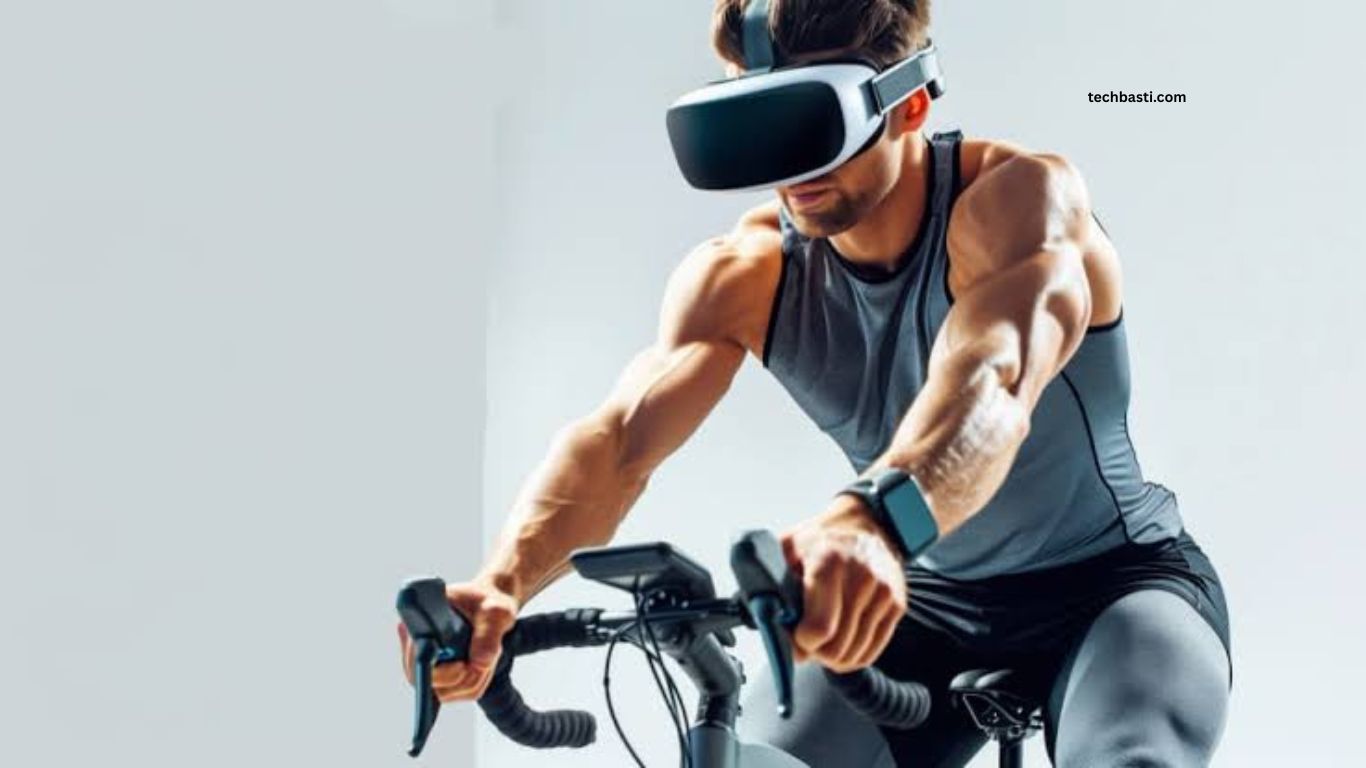
Wearable technology is becoming increasingly common among professional and amateur athletes. Smartwatches, fitness trackers, GPS devices, and performance sensors can monitor important physical metrics during training and competition.
Athletes can track workload, movement, recovery patterns, heart rate, and other performance indicators. Coaches can use this information to adjust training intensity and reduce unnecessary physical stress.
The growing use of wearable technology represents a shift toward more personalized and measurable athletic development.
Virtual Reality and Immersive Fan Experiences
Virtual reality is changing how fans experience sports. Instead of simply watching a match on a traditional screen, viewers can increasingly enjoy immersive experiences that create a stronger sense of being inside the venue.
VR technology can also support athlete training. Players can practice specific situations in controlled virtual environments without facing the physical demands of a real match.
As immersive technology improves, sports entertainment is expected to become more interactive and personalized.
Growth of Women’s Sports
Women’s sports continue to gain greater attention, investment, media coverage, and commercial opportunities in 2026. Major competitions are attracting larger audiences, while more brands are supporting female athletes and teams.
Improved broadcasting and digital media have also helped women’s sports reach new audiences. Social platforms provide athletes with direct ways to connect with fans and build personal brands.
This growth is creating new opportunities across professional leagues, sponsorships, broadcasting, and grassroots development.
Esports and Traditional Sports Collaboration
The relationship between esports and traditional sports continues to develop. Professional teams and sports organizations are exploring gaming as a way to connect with younger audiences and create new entertainment experiences.
Esports also shares several performance principles with traditional athletics, including strategic thinking, reaction speed, teamwork, concentration, and preparation.
Collaborations between sports franchises and gaming communities can create new forms of fan engagement and expand the reach of established sports brands.
Personalized Sports Content
Sports fans increasingly expect content that matches their individual interests. Instead of following every event, viewers can receive highlights, statistics, interviews, and updates focused on their favorite teams or athletes.
AI-powered recommendation systems are helping platforms deliver more relevant sports content. Short-form videos, personalized notifications, live statistics, and interactive features are becoming important parts of the modern sports experience. This trend gives fans more control over how and when they consume sports content.
Sustainable Sports Events
Sustainability has become an important consideration for sports organizations. Stadiums and event organizers are exploring ways to reduce waste, conserve energy, improve transportation, and use resources more efficiently.
Renewable energy, recycling programs, water-saving systems, and sustainable venue designs are gaining attention across the sports industry.
Environmental responsibility can also strengthen the relationship between sports organizations and environmentally conscious fans.
Smart Stadium Technology
Modern stadiums are becoming more connected through smart technology. High-speed connectivity, mobile ticketing, digital navigation, cashless payments, and real-time event information can make attending games more convenient.
Smart stadium systems can also improve security and crowd management. Fans can receive updates about seating, parking, concessions, and match information through mobile devices. These improvements are turning stadium visits into more seamless and personalized experiences.
Athlete Mental Performance and Recovery
Sports performance in 2026 is not focused only on physical strength. Mental preparation, recovery, sleep, focus, and emotional balance are receiving greater attention.
Teams are investing in performance specialists and recovery programs designed to help athletes maintain consistency throughout demanding seasons.
Recovery technology, structured rest, nutrition planning, and mental performance training can help athletes prepare more effectively for competition.
Rise of Data-Driven Coaching
Coaching is becoming increasingly influenced by measurable performance data. Modern coaches can combine video analysis, player statistics, tracking systems, and historical information to understand what happens during games and training sessions.
Data does not replace coaching experience. Instead, it provides additional information that can support better tactical and development decisions. This combination of human expertise and technology is becoming a defining feature of modern sports.
Social Media as a Sports Growth Engine
Social media remains one of the strongest tools for sports promotion in 2026. Athletes and teams can communicate directly with fans without relying entirely on traditional media.
Behind-the-scenes videos, short interviews, training clips, live updates, and interactive posts help create stronger fan communities.
Athletes can also use social platforms to develop personal brands, attract sponsorships, and connect with international audiences.
More Interactive Sports Broadcasting
Sports broadcasting is becoming more interactive. Viewers increasingly want more than a live video feed. Real-time statistics, player comparisons, alternate camera angles, interactive graphics, and personalized information can make matches more engaging.
Streaming platforms are also giving fans greater flexibility in choosing how they watch games. This evolution is helping sports organizations reach audiences across different devices and viewing habits.
Frequently Asked Questions
What are the biggest sports trends in 2026?
AI analytics, wearable technology, smart stadiums, women’s sports, esports, and immersive fan experiences are major sports trends in 2026.
How is AI changing sports in 2026?
AI helps teams analyze performance, study opponents, improve training, identify talent, and make data-driven decisions.
Why is wearable technology important for athletes?
Wearable devices track performance, movement, workload, and recovery, helping athletes and coaches create more effective training plans.
Is women’s sports growing in 2026?
Yes. Women’s sports are gaining more viewers, sponsorships, investment, media coverage, and commercial opportunities.
How are smart stadiums improving fan experiences?
Smart stadiums offer digital ticketing, fast connectivity, mobile services, real-time updates, and convenient navigation.
What role does social media play in modern sports?
Social media helps athletes and teams connect directly with fans, share content, build communities, and attract sponsorship opportunities.
Will technology continue shaping sports?
Yes. Technology will continue influencing training, broadcasting, performance analysis, fan engagement, and sports management.
Conclusion
Sports trends in 2026 show how quickly technology, entertainment, athlete development, and fan expectations are changing the industry. AI analytics, wearable technology, immersive experiences, women’s sports, smart stadiums, sustainability, and personalized content are shaping a new era of sports. Following these trends offers a better understanding of where modern sports are heading.

1 Comment
Pingback: Best Training Tips to Improve Athletic Performance - TechBasti