

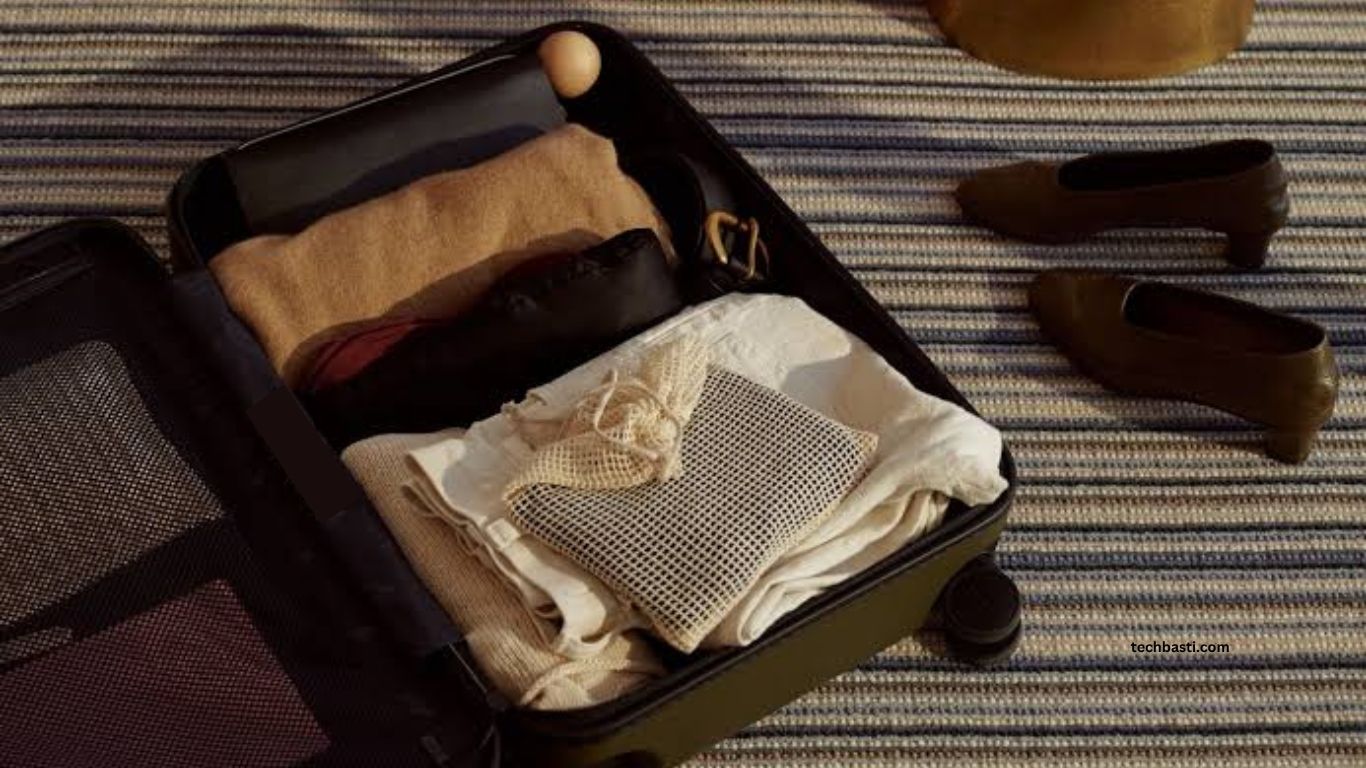
Frequent travel becomes easier when packing feels organized rather than rushed. Whether you travel for business, weekend trips, or international adventures, smart packing can save time, reduce luggage weight, and keep essential items within easy reach. A simple packing strategy also makes airport transfers, hotel check-ins, and daily travel more comfortable.
Experienced travelers understand that efficient packing depends on planning, versatile clothing, and careful organization. Choosing the right items before leaving home helps prevent overpacking while ensuring everything needed remains available throughout the journey. These smart packing tips for frequent travelers can help create a smoother and more stress-free travel experience.
Read More: Most Beautiful Places You Must Visit Once
Plan Your Packing Before the Trip
Start packing with a clear idea of the destination, weather, trip length, and planned activities. Checking the forecast helps determine whether you need lightweight clothing, warm layers, rain protection, or specialized gear.
Create a simple travel packing plan before opening your suitcase. Consider each day’s activities and choose items that can work for multiple occasions. This approach reduces unnecessary clothing and prevents last-minute packing mistakes.
Choose Versatile Clothing
Versatile clothing remains one of the best ways to reduce luggage weight. Select neutral colors, comfortable fabrics, and pieces that can be combined easily.
A few well-chosen shirts, trousers, jeans, and lightweight layers can create multiple outfits. Travelers can also choose clothing suitable for both casual activities and relaxed evening plans. Avoid packing separate outfits for every day when existing pieces can be mixed and matched.
Use Packing Cubes
Packing cubes make suitcase organization much easier. They separate clothing, accessories, electronics, and other essentials into dedicated sections.
Different cube sizes can help organize specific categories. Smaller cubes work well for underwear and accessories, while larger cubes can hold shirts, trousers, or sweaters. Packing cubes also make it easier to locate items without unpacking the entire suitcase.
Follow the Rolling Method
Rolling clothes can help maximize available suitcase space while keeping garments organized. Fold thicker items carefully and roll lightweight clothing tightly.
Rolling also makes it easier to see individual pieces when opening your luggage. For delicate or formal clothing, folding may provide better protection against wrinkles. Combining rolling and folding techniques often provides the best results.
Pack a Lightweight Travel Bag
Frequent travelers benefit from lightweight luggage with durable construction and practical compartments. A heavy suitcase can become difficult to manage once clothing, electronics, toiletries, and other essentials are added.
Choose luggage based on travel style rather than appearance alone. Smooth wheels, strong handles, useful compartments, and appropriate capacity can make frequent journeys considerably easier.
Keep Essential Items in Your Carry-On
Important travel items should remain accessible during transit. Keep identification documents, payment cards, medications, electronics, chargers, and essential toiletries in your carry-on bag.
A small travel pouch can keep passports, boarding information, keys, and other frequently used items together. Organized carry-on storage reduces unnecessary searching during airport security and boarding.
Limit Shoes
Shoes can consume significant suitcase space, so frequent travelers should pack strategically. Choose comfortable footwear that works with several outfits.
One pair of versatile walking shoes may cover most daily activities. Add another pair only when the destination or planned activities genuinely require it. Wearing the heaviest shoes during travel can also reduce luggage weight.
Use Travel-Size Toiletries
Travel-size toiletries save valuable space and make luggage easier to manage. Transfer essential liquids into approved travel containers when appropriate and keep them organized in a separate toiletry bag.
Avoid carrying full-size products when smaller quantities can meet the needs of the trip. Many destinations also offer basic toiletries, allowing travelers to pack only what they genuinely need.
Create a Dedicated Travel Kit
Keeping frequently used travel accessories together can make preparation much faster. A dedicated kit may contain charging cables, adapters, headphones, luggage tags, travel locks, and other useful accessories.
Keeping these items packed between trips can reduce preparation time. Check the kit before every journey to replace missing or damaged items.
Pack Electronics Carefully
Electronics require careful organization because chargers, cables, batteries, and accessories can quickly become tangled. Use a compact electronics organizer to keep everything together.
Carry only the devices needed for the trip. Reducing unnecessary electronics lowers luggage weight and makes security checks easier. Keep valuable devices in your carry-on rather than checked baggage.
Leave Some Space in Your Suitcase
Avoid filling every available space before departure. Leaving extra room allows travelers to accommodate souvenirs, gifts, or additional purchases during the journey.
An overfilled suitcase can also make packing difficult when returning home. A little unused space provides flexibility and reduces pressure during the final packing session.
Use a Simple Packing Checklist
A consistent packing checklist helps frequent travelers avoid forgetting important items. Keep separate sections for documents, clothing, toiletries, electronics, and personal essentials.
Using the same checklist before every trip creates a reliable routine. Over time, travelers can adjust it based on destinations, seasons, and travel purposes.
Protect Valuable Items
Valuable belongings require additional attention during travel. Keep important documents, money, electronics, and other high-value items secure and accessible.
Avoid placing irreplaceable belongings inside checked luggage. A secure carry-on provides better control and makes it easier to monitor important possessions throughout the journey.
Pack for the First Day
Think beyond the entire trip and prepare for the first few hours after arrival. Keep a fresh outfit, basic toiletries, chargers, and essential documents easy to access.
This strategy becomes especially useful after long flights or when checked luggage arrives later than expected. Having immediate essentials available can make arrival much more comfortable.
Review Your Luggage Before Leaving
A final luggage review can prevent common packing mistakes. Check travel documents, chargers, medication, toiletries, clothing, and destination-specific essentials before leaving home.
Also check luggage weight when possible. Staying within airline baggage limits can prevent unexpected fees and delays at the airport.
Frequently Asked Questions
What is smart packing?
Smart packing means choosing essential, versatile items while organizing luggage efficiently to save space and reduce weight.
How can frequent travelers pack lighter?
Choose versatile clothing, limit shoes, use travel-size toiletries, and avoid packing items that can be easily purchased at the destination.
Are packing cubes useful for travel?
Yes. Packing cubes keep luggage organized, separate different items, and make finding belongings easier.
What should travelers keep in a carry-on?
Keep travel documents, valuables, electronics, chargers, essential medication, and basic personal items in your carry-on.
How many pairs of shoes should I pack?
Most trips require one versatile pair, while longer or activity-focused trips may require an additional pair.
How can I prevent overpacking?
Plan outfits before packing and follow a simple checklist based on your destination, trip length, and planned activities.
Why should I leave space in my suitcase?
Extra space allows room for souvenirs, purchases, and easier repacking during the return journey.
Conclusion
Smart packing makes frequent travel more comfortable, organized, and efficient. Choosing versatile clothing, using packing cubes, limiting unnecessary items, and keeping essential belongings accessible can reduce luggage weight and save valuable time. A consistent packing routine also helps prevent forgotten items and last-minute stress. With practical planning and thoughtful organization, every traveler can enjoy smoother journeys with lighter, better-managed luggage.

1 Comment
Pingback: Eco-Friendly Travel Tips for Responsible Tourism - TechBasti