

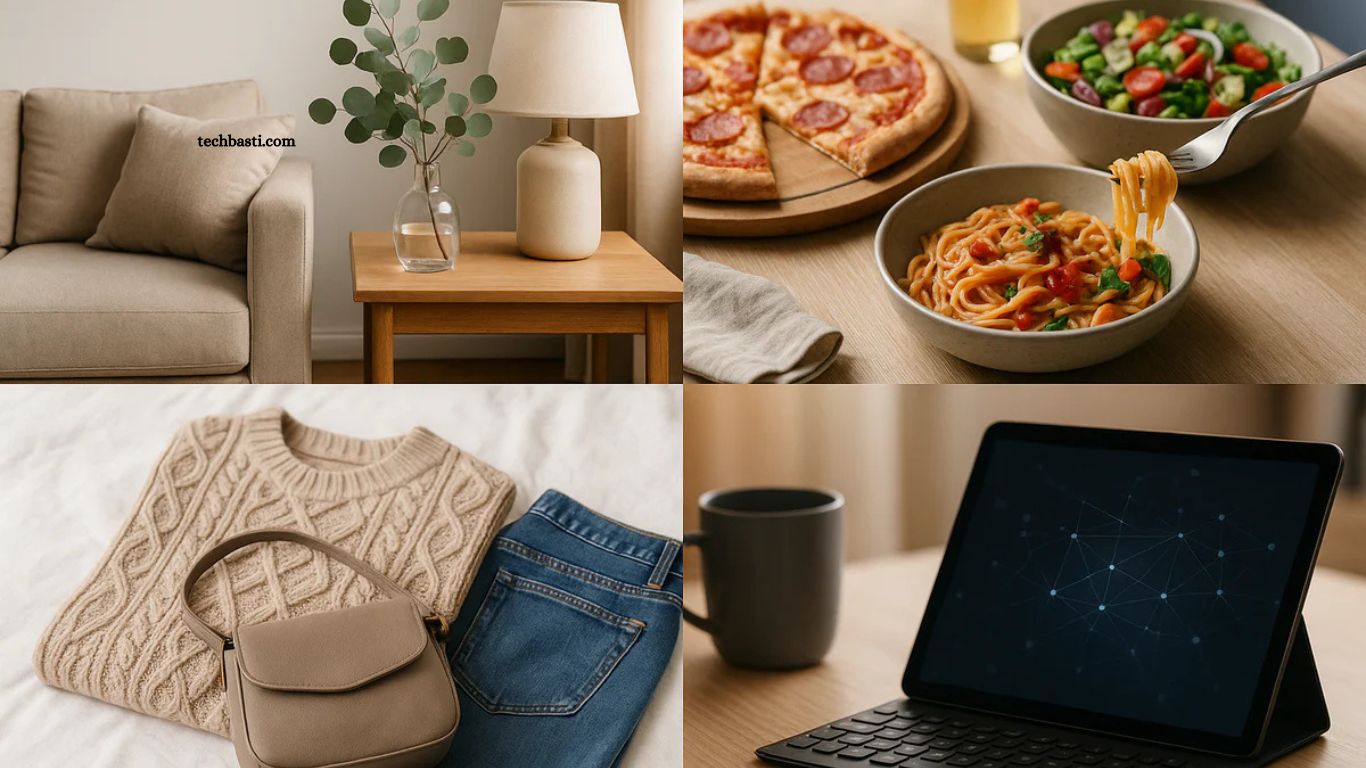
Lifestyle continues evolving as technology, wellness awareness, environmental responsibility, and changing social values influence everyday choices. People no longer focus only on comfort or convenience. They also seek meaningful experiences, healthier habits, stronger relationships, and balanced routines. During 2026, lifestyle trends reflect a desire for smarter living without sacrificing mental health or personal happiness.
Consumers increasingly choose quality over quantity, prioritize sustainable products, embrace flexible work arrangements, and integrate artificial intelligence into daily routines. These developments create a modern lifestyle centered on efficiency, creativity, and overall well-being. Understanding these trends helps individuals adapt, improve productivity, and enjoy a more fulfilling life.
Read More: How to Scale Your Business Without Heavy Investment
Wellness Becomes a Daily Priority
Health remains one of the strongest lifestyle influences in 2026. Instead of focusing only on fitness goals, people now view wellness as a complete approach to physical, emotional, and mental health.
Balanced nutrition, regular exercise, quality sleep, mindfulness practices, and stress management form the foundation of healthier living. Wearable health devices and smart fitness applications provide personalized insights, helping users maintain consistent routines.
Preventive healthcare also gains popularity as individuals recognize the importance of long-term wellness instead of treating illnesses after they appear.
Artificial Intelligence Simplifies Everyday Life
Artificial intelligence becomes an essential part of modern lifestyles. Smart assistants organize schedules, recommend meals, manage finances, and automate repetitive tasks.
AI-powered home devices improve comfort through intelligent lighting, climate control, and security systems. Personalized shopping experiences, entertainment suggestions, and learning platforms save time while increasing convenience.
Rather than replacing human creativity, AI supports better decision-making and allows people to focus on meaningful activities.
Sustainable Living Shapes Consumer Choices
Environmental awareness strongly influences purchasing decisions during 2026. Consumers actively search for eco-friendly brands that demonstrate responsible manufacturing and ethical business practices.
Reusable products, biodegradable packaging, renewable energy solutions, and locally produced goods become everyday preferences. Many households reduce waste through recycling, composting, and conscious consumption.
Businesses adopting sustainable practices build stronger customer trust while contributing positively to environmental protection.
Flexible Work Creates Better Life Balance
Remote work and hybrid employment continue transforming professional lifestyles. Flexible schedules allow individuals to balance careers, family responsibilities, education, and personal interests more effectively.
Digital collaboration tools enable seamless communication regardless of location. Companies increasingly measure employee performance through productivity instead of office attendance. This flexibility reduces commuting stress while providing greater opportunities for work-life harmony.
Smart Homes Continue Expanding
Connected homes become more intelligent as automation technologies improve affordability and accessibility. Voice-controlled appliances, automated security systems, energy-efficient lighting, and smart kitchen equipment simplify household management.
These innovations reduce daily effort while improving energy efficiency and safety. Homeowners increasingly invest in technologies that provide convenience without increasing environmental impact.
Digital Learning Supports Continuous Growth
Learning extends far beyond traditional classrooms in 2026. Professionals and students continuously develop new skills through online courses, virtual workshops, and interactive educational platforms.
Micro-learning becomes especially popular because short educational sessions fit easily into busy schedules. Artificial intelligence personalizes learning paths according to individual strengths and career goals. Continuous education strengthens career opportunities while encouraging lifelong personal development.
Personal Finance Gains Greater Attention
Financial awareness becomes an important lifestyle priority. Individuals actively manage spending, savings, investments, and budgeting through advanced financial applications.
Digital banking, automated investment platforms, and AI-powered financial advisors make money management more accessible for beginners.
Building financial stability provides greater confidence during uncertain economic conditions and supports long-term life planning.
Conscious Fashion Replaces Fast Fashion
Fashion trends increasingly reflect sustainability and personal identity rather than constant consumption. Consumers invest in durable clothing, timeless designs, recycled fabrics, and ethically produced garments.
Capsule wardrobes gain popularity because they reduce unnecessary purchases while simplifying daily outfit selection. Brands emphasizing transparency, quality, and responsible production earn greater customer loyalty.
Travel Focuses on Meaningful Experiences
Travel preferences continue shifting toward authentic cultural experiences instead of crowded tourist destinations. Travelers seek local traditions, nature-based adventures, wellness retreats, and environmentally responsible accommodations.
Longer stays become more common because they allow deeper cultural connections while reducing travel stress. Responsible tourism supports local communities and promotes sustainable economic growth.
Mental Health Receives Greater Recognition
Mental well-being becomes an essential component of modern lifestyles. More people openly discuss emotional health and actively seek healthy coping strategies.
Meditation, therapy, journaling, digital detox routines, and community support contribute to improved emotional resilience. Employers also introduce wellness initiatives that support employee mental health.
Removing stigma surrounding psychological wellness encourages healthier relationships and stronger communities.
Personalized Nutrition Continues Growing
Nutrition becomes increasingly individualized through technology and health data analysis. People select diets based on fitness goals, medical conditions, genetics, and lifestyle preferences rather than following general dietary trends.
Personalized meal planning applications recommend healthier food choices while reducing waste. Better nutrition improves energy levels, productivity, and long-term health outcomes.
Digital Minimalism Improves Daily Focus
Constant digital connectivity creates new challenges for attention and productivity. Many individuals intentionally reduce unnecessary screen time by practicing digital minimalism.
Limiting notifications, organizing digital workspaces, and scheduling technology-free periods improve concentration and emotional well-being. These habits encourage stronger personal relationships and more meaningful offline experiences. Digital balance becomes an important element of healthy modern living.
Community Connections Become More Valuable
Despite technological advancement, human relationships remain central to happiness. People actively participate in local communities, volunteer organizations, professional networking groups, and social clubs.
Shared experiences create stronger emotional support systems and encourage collaboration. Community engagement improves both individual well-being and social development.
Frequently Asked Questions
What are the biggest lifestyle trends in 2026?
The biggest trends include wellness, AI-powered living, sustainability, flexible work, and personalized health.
Why is sustainable living important in 2026?
It helps reduce environmental impact, saves resources, and supports responsible consumer choices.
How is AI changing everyday life?
AI automates daily tasks, improves productivity, enhances home management, and delivers personalized recommendations.
Why is mental wellness becoming a priority?
People recognize that good mental health improves productivity, relationships, and overall quality of life.
What is digital minimalism?
Digital minimalism means reducing unnecessary screen time and focusing on healthier technology habits.
How can someone adapt to 2026 lifestyle trends?
Start with small changes like building healthy routines, using smart technology wisely, practicing sustainable habits, and continuing to learn new skills.
Conclusion
Lifestyle trends defining 2026 highlight a future built around balance, innovation, sustainability, and personal growth. Technology continues simplifying everyday tasks while wellness, environmental responsibility, financial awareness, and meaningful relationships become equally important priorities.
Adapting to these evolving trends does not require dramatic life changes.
