

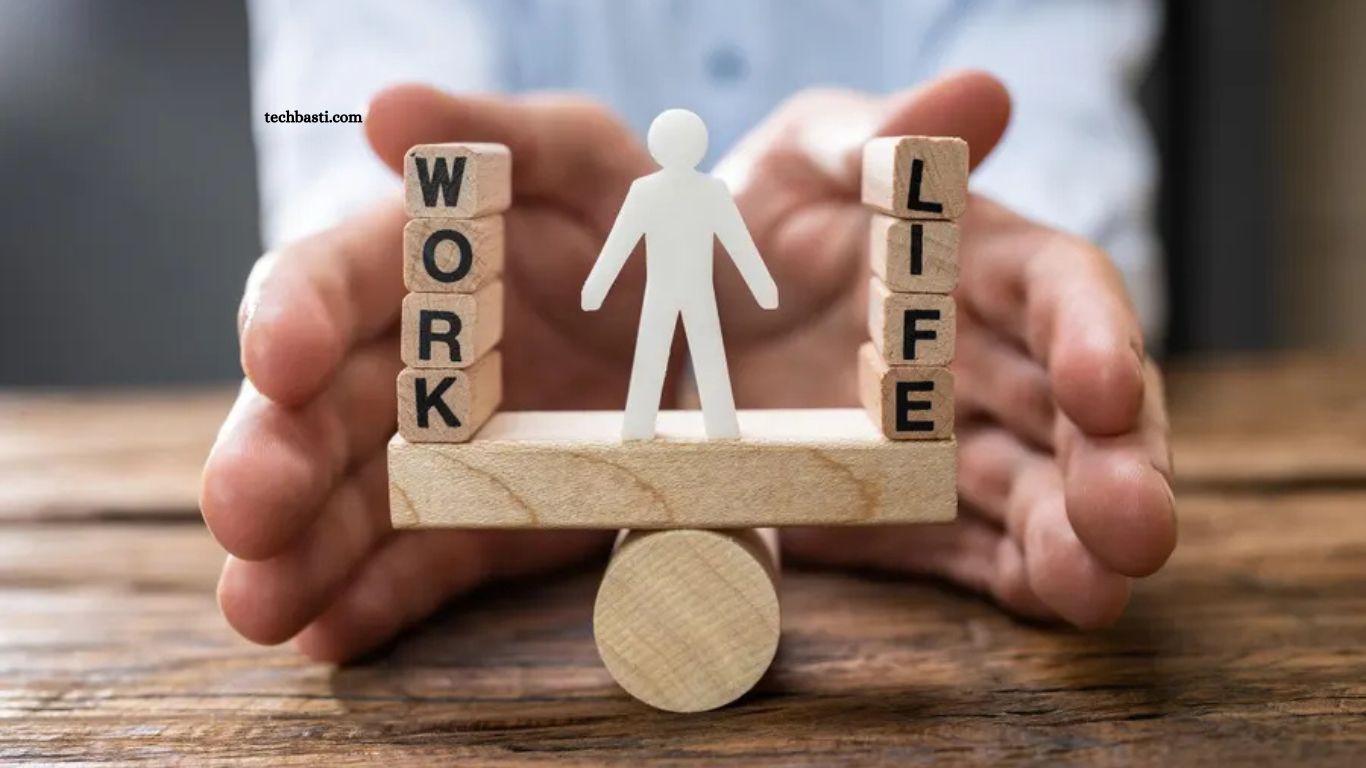
Modern life often feels like a constant race between professional responsibilities and personal commitments. Many people spend long hours at work while struggling to find quality time for family, friends, hobbies, and self-care. As workloads continue to grow, maintaining a healthy balance becomes more important than ever.
Learning how to improve your work-life balance can lead to greater happiness, better health, and increased productivity. When you create clear boundaries between work and personal life, you enjoy more meaningful relationships, reduced stress, and improved focus. A balanced lifestyle helps you succeed professionally without sacrificing your well-being.
Read More: Smart Lifestyle Hacks to Save Time and Energy
Understanding Work-Life Balance
Work-life balance means giving equal importance to your professional responsibilities and your personal life. It does not mean dividing every day into perfect halves. Instead, it involves managing your time, energy, and priorities so that both areas receive the attention they deserve.
A healthy balance allows you to meet work expectations while enjoying personal interests, spending time with loved ones, and taking care of your physical and mental health.
Why Work-Life Balance Matters
A balanced lifestyle improves emotional health and reduces burnout. When employees have enough time to rest and recharge, they become more creative, motivated, and productive at work.
Good work-life balance also strengthens relationships. Spending quality time with family and friends builds stronger connections and creates lasting memories. At the same time, maintaining personal hobbies and relaxation supports long-term happiness and personal growth.
Organizations also benefit because balanced employees often show higher engagement, lower absenteeism, and greater job satisfaction.
Set Clear Boundaries Between Work and Personal Life
One of the most effective ways to improve work-life balance is establishing clear boundaries. Avoid checking work emails during personal time whenever possible. Create a dedicated workspace if you work from home and disconnect from work once your scheduled hours end.
Respecting these boundaries helps your mind shift from work mode to personal time, allowing you to relax and recover before the next workday.
Manage Time More Effectively
Time management plays a major role in maintaining balance. Start each day with a clear plan and focus on completing the most important tasks first. Avoid unnecessary distractions that reduce productivity and extend working hours.
Using calendars, reminders, and scheduling tools helps organize responsibilities while leaving enough time for personal activities and relaxation.
Learn to Say No
Many people struggle with work-life balance because they accept every request and responsibility. Learning to say no respectfully protects your time and energy.
Accept tasks that align with your priorities and professional goals. Declining unnecessary commitments prevents stress and allows you to focus on meaningful work without becoming overwhelmed.
Prioritize Physical and Mental Health
Your health should always remain a priority. Regular exercise improves energy levels, reduces stress, and supports better concentration. Healthy eating habits provide the fuel needed to stay productive throughout the day.
Adequate sleep is equally important. Quality rest improves memory, decision-making, and emotional well-being while reducing fatigue and burnout.
Mental wellness deserves equal attention. Relaxation techniques, meditation, reading, or spending time outdoors can significantly reduce daily stress.
Spend Quality Time With Family and Friends
Strong personal relationships contribute greatly to overall happiness. Make time for family dinners, meaningful conversations, weekend activities, or shared hobbies.
Being fully present during personal moments creates stronger emotional connections and helps you recharge after demanding workdays.
Reduce Digital Distractions
Technology offers many benefits, but constant notifications can blur the line between work and personal life. Limiting screen time outside working hours allows you to focus on meaningful experiences and genuine relaxation.
Creating technology-free moments during meals, family time, or before bedtime encourages healthier daily habits.
Continue Personal Growth
Personal development extends beyond career advancement. Reading books, learning new skills, traveling, or pursuing creative hobbies keeps life exciting and fulfilling.
Investing in yourself builds confidence, improves mental health, and creates a greater sense of purpose beyond professional achievements.
Create a Flexible Daily Routine
A realistic daily routine supports consistency without creating unnecessary pressure. Plan work hours, exercise, meals, relaxation, and family activities according to your lifestyle.
Flexibility allows you to adapt when unexpected responsibilities arise while maintaining overall balance throughout the week.
Workplace Support Makes a Difference
Many organizations now recognize the importance of employee well-being. Flexible work schedules, remote work options, wellness programs, and supportive leadership help employees maintain healthier lifestyles.
Open communication with managers about workload and expectations can also reduce stress and improve overall job satisfaction.
Frequently Asked Questions
What is work-life balance?
Work-life balance means managing work and personal life in a healthy and sustainable way.
Why is work-life balance important?
It reduces stress, improves health, and increases productivity and overall happiness.
How can I improve my work-life balance?
Set clear boundaries, manage your time wisely, and prioritize your health and family.
Can work-life balance improve productivity?
Yes. A balanced lifestyle helps you stay focused, motivated, and more efficient at work.
Does remote work improve work-life balance?
It can, if you maintain a routine and separate work time from personal time.
What is the biggest challenge to work-life balance?
Poor time management and excessive workloads are common challenges that lead to imbalance.
Conclusion
Improving your work-life balance is an ongoing process rather than a one-time achievement. Small daily changes can create lasting improvements in your physical health, emotional well-being, productivity, and personal relationships. By setting healthy boundaries, managing time wisely, prioritizing self-care, and making space for meaningful personal experiences, you can build a lifestyle that supports both professional success and personal happiness.
