

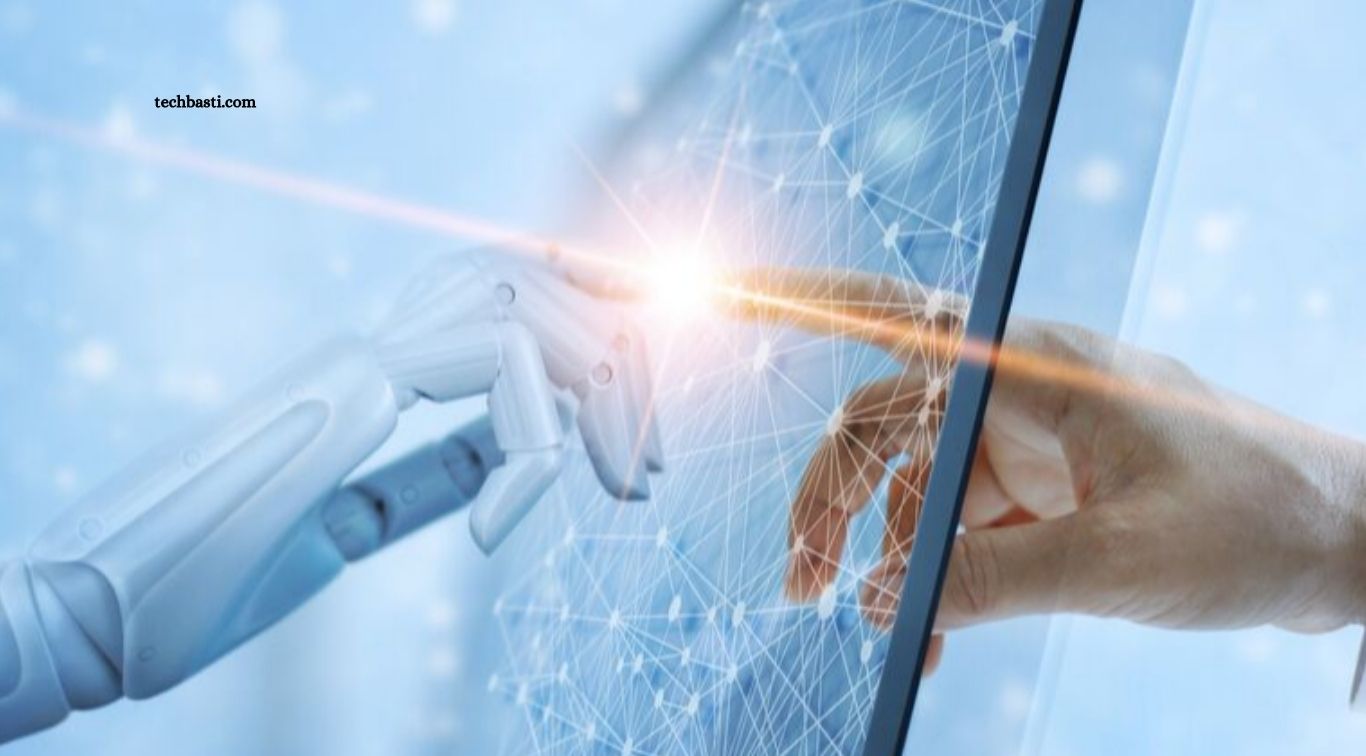
Technology continues to evolve at a remarkable pace, changing how people work, communicate, travel, shop, and solve everyday problems. Innovations are moving beyond traditional computers and smartphones, creating smarter systems designed to improve efficiency, convenience, and productivity.
Future technology innovations will influence almost every industry. Artificial intelligence, robotics, quantum computing, advanced connectivity, smart devices, biotechnology, and clean energy are among the developments expected to shape the next generation of digital life. Understanding these technologies today can help individuals and businesses prepare for tomorrow.
Read More: Emerging Technologies to Watch in 2026
Artificial Intelligence Becoming More Advanced
Artificial intelligence is one of the most important technologies shaping the future. AI systems are becoming better at understanding language, analyzing information, generating content, recognizing patterns, and supporting complex decision-making.
Future AI tools are expected to become more personalized and capable. Instead of simply responding to commands, intelligent systems may understand user goals, manage multiple tasks, and work across different applications. Businesses could use AI to automate repetitive operations, improve customer support, analyze large datasets, and develop new products.
Humanoid Robots Entering Everyday Life
Robotics is moving beyond factories and specialized industrial environments. Advances in artificial intelligence, computer vision, sensors, and machine learning are helping robots become more adaptable.
Humanoid robots could eventually assist people in warehouses, hospitals, offices, hotels, homes, and other environments. Future robots may perform repetitive physical tasks, transport items, support elderly people, or work alongside human employees. As hardware becomes more capable, robots are likely to become an increasingly visible part of everyday life.
Quantum Computing Unlocking New Possibilities
Quantum computing represents a major shift from traditional computing. Instead of relying exclusively on conventional bits, quantum computers use quantum states to process certain types of problems in fundamentally different ways.
Although large-scale practical quantum computing remains challenging, future systems could have significant applications in drug discovery, materials science, financial modeling, optimization, and cybersecurity. Quantum technology may eventually solve specialized problems that would take conventional computers extremely long periods to process.
Next-Generation Wireless Connectivity
Connectivity will continue improving as communication networks become faster, more reliable, and more responsive. Future wireless technologies are expected to support massive numbers of connected devices while reducing communication delays.
Advanced connectivity could benefit autonomous vehicles, smart cities, industrial automation, remote healthcare, augmented reality, and immersive digital experiences. Faster networks will also make it easier for devices to communicate with each other in real time.
Smart Homes Becoming More Intelligent
Smart home technology is moving toward greater automation. Future homes could use connected sensors and AI systems to understand household routines and automatically adjust lighting, temperature, security, appliances, and energy consumption.
Instead of controlling every device manually, homeowners may interact with a central intelligent system. Such technology could help reduce energy waste, improve security, and create more comfortable living environments.
Augmented and Mixed Reality
Augmented reality and mixed reality are expected to become more useful as hardware becomes lighter and software becomes more sophisticated. These technologies can combine digital information with the physical environment.
Future applications could transform education, professional training, healthcare, gaming, shopping, tourism, and workplace collaboration. Users may eventually interact with digital objects naturally while moving through real-world environments.
Autonomous Vehicles and Smarter Transportation
Transportation is another area likely to experience significant technological change. Autonomous driving systems are developing through improvements in sensors, artificial intelligence, mapping, and real-time data processing.
Future transportation networks may include self-driving cars, autonomous delivery vehicles, intelligent traffic systems, and advanced public transportation. Connected vehicles could communicate with infrastructure and other vehicles, potentially improving traffic management and road safety.
Biotechnology and Personalized Healthcare
Technology is increasingly connecting computing with biology and medicine. Advances in biotechnology, genetic analysis, wearable devices, and AI could make healthcare more personalized.
Future healthcare systems may analyze individual health data to identify potential risks earlier and support personalized treatment decisions. Wearable devices could continuously monitor important health indicators, while AI systems may help medical professionals analyze complex information more efficiently.
Renewable Energy and Advanced Batteries
The future of technology also depends on better energy solutions. Solar power, wind energy, energy storage, and advanced battery technologies are receiving significant attention as demand for electricity continues to increase.
Better batteries could improve electric vehicles, smartphones, laptops, renewable energy systems, and portable devices. More efficient energy storage could also help communities rely more heavily on renewable electricity by storing power for periods when sunlight or wind production is low.
Brain-Computer Interfaces
Brain-computer interfaces are an emerging technology designed to create communication between the human brain and digital systems. Researchers are exploring ways to interpret brain signals and translate them into commands.
Future brain-computer interfaces could assist people with certain disabilities by allowing them to control computers or other devices through neural signals. Longer term, the technology could introduce new forms of human-computer interaction, although significant scientific, ethical, privacy, and safety challenges remain.
Sustainable Technology and Smart Cities
Future cities will increasingly depend on connected technologies to manage resources efficiently. Sensors, AI, advanced networks, and data platforms can help monitor transportation, energy consumption, water systems, waste management, and public infrastructure.
Smart city technology could reduce unnecessary resource consumption while improving public services. Sustainable technology may also help cities respond to climate challenges through better energy management, cleaner transportation, and more efficient infrastructure.
The Growing Importance of Cybersecurity
As more devices become connected, cybersecurity will become even more important. Smart homes, vehicles, healthcare systems, factories, businesses, and public infrastructure will generate and exchange enormous amounts of information.
Future cybersecurity technologies will need to protect increasingly complex digital environments. AI-powered threat detection, stronger authentication, advanced encryption, and new security approaches will become essential for protecting personal information and business data.
Frequently Asked Questions
What is the most important future technology?
Artificial intelligence is among the most influential future technologies because it can support innovation across healthcare, business, education, transportation, and many other industries.
Will robots become common in everyday life?
Robots are expected to become more common as AI, sensors, and robotics hardware improve. They could assist with household, industrial, healthcare, and service-related tasks.
How will quantum computing affect technology?
Quantum computing could help solve complex problems in areas such as drug discovery, materials research, optimization, and cybersecurity.
What role will AI play in future businesses?
AI could automate repetitive tasks, analyze information, improve customer experiences, support decision-making, and help businesses develop new products and services.
Will autonomous vehicles become mainstream?
Autonomous vehicles have significant development challenges, but continued advances in AI, sensors, mapping, and connectivity could make automated transportation increasingly common.
Why is sustainable technology important?
Sustainable technology can help reduce energy consumption, improve resource efficiency, support renewable energy, and address environmental challenges.
Conclusion
Future technology innovations will reshape daily life, industries, and global economies. Artificial intelligence, robotics, quantum computing, advanced connectivity, autonomous transportation, biotechnology, renewable energy, and immersive technologies are already developing today. The most important change may not come from one technology alone. The combination of multiple innovations could create powerful new systems that are faster, smarter, more connected, and more sustainable.

1 Comment
Pingback: Latest Tech Innovations Shaping Everyday Life - TechBasti