

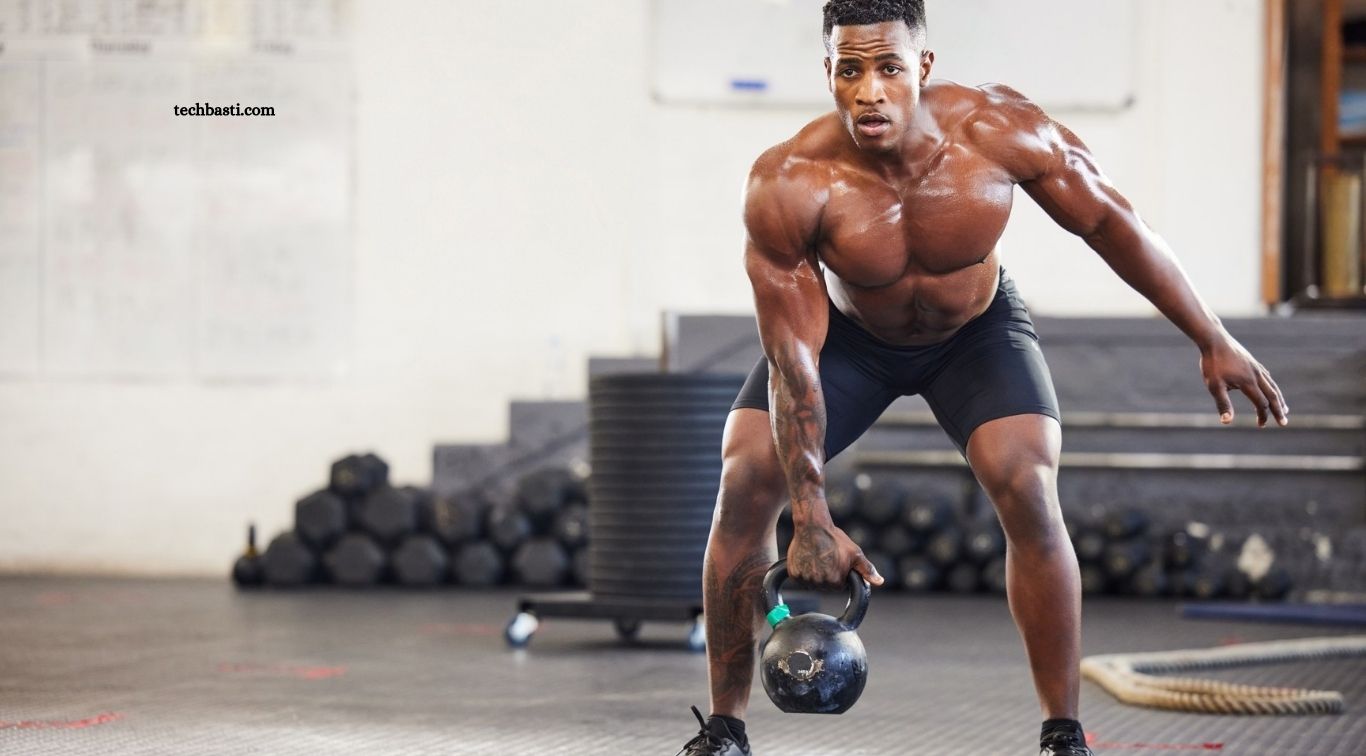
Athletes follow structured fitness routines designed to improve strength, endurance, speed, flexibility, balance, and overall performance. While professional training programs can be demanding, many of their core principles can be adapted for everyday fitness. Understanding how athletes train can help people create more effective and balanced workout routines.
An athlete-inspired fitness routine does not require professional equipment or hours of training every day. The goal is to combine different types of exercise and maintain consistency. With proper planning, beginners and experienced fitness enthusiasts can use athlete-inspired workouts to build strength, improve cardiovascular fitness, and support a healthier lifestyle.
Read More: How Technology Is Changing the Sports Industry
Full-Body Strength Training
Strength training is an important part of athletic performance because strong muscles support movement, stability, and power. Athletes commonly use exercises such as squats, lunges, push-ups, rows, and presses to train multiple muscle groups. These movements can also be adapted to different fitness levels.
A full-body workout can be performed several times each week with appropriate recovery between sessions. Beginners can start with bodyweight exercises before gradually adding resistance. Maintaining proper technique is more important than lifting heavy weights, as controlled movements can help improve results while reducing unnecessary strain.
Cardiovascular Training
Cardiovascular exercise helps athletes develop endurance and maintain performance during demanding activities. Running, cycling, swimming, rowing, and brisk walking can improve cardiovascular fitness while supporting overall health. The intensity and duration can be adjusted according to individual fitness levels.
Athlete-inspired cardio does not always require long workouts. Short periods of higher-intensity exercise can be combined with moderate activity to create challenging sessions. New people to exercise should gradually increase intensity and allow enough recovery time between demanding workouts.
High-Intensity Interval Training
High-intensity interval training, commonly known as HIIT, involves alternating short periods of intense exercise with recovery periods. Athletes may use interval training to improve conditioning, speed, and the ability to perform repeated bursts of effort.
A simple HIIT session can include movements such as jumping jacks, bodyweight squats, mountain climbers, or short running intervals. Because high-intensity exercise places greater demands on the body, beginners should start with shorter intervals and focus on proper form before increasing workout intensity.
Speed and Agility Workouts
Speed and agility training are common in sports that require quick movement and rapid changes in direction. Exercises such as ladder drills, short sprints, lateral movements, and cone drills can improve coordination, reaction speed, and body control.
These workouts can also make regular exercise more engaging because they introduce variety and movement. Training should begin at a manageable pace, especially for people who are not accustomed to sprinting or rapid directional changes. A proper warm-up can help prepare the muscles and joints for faster movements.
Core Strength Training
A strong core provides stability during many athletic movements. The core includes the muscles around the abdomen, lower back, hips, and pelvis, which help support posture and movement. Athletes often train their core to improve balance, control, and force transfer.
Exercises such as planks, dead bugs, bird dogs, and controlled leg raises can strengthen the core without requiring complicated equipment. Core training should focus on controlled movements rather than simply completing as many repetitions as possible. Consistent training can gradually improve stability and movement quality.
Flexibility and Mobility Exercises
Flexibility and mobility are important components of athletic fitness. Regular mobility exercises can help maintain a comfortable range of motion and prepare the body for different types of movement. Athletes often include dynamic movements before training and stretching during recovery sessions.
A balanced fitness routine should not focus only on strength and cardio. Mobility work can help support better movement patterns and make everyday physical activities easier. Gentle stretching after exercise and regular mobility sessions can complement more demanding workouts.
Recovery and Rest
Professional athletes understand that recovery is an essential part of training. Muscles need time to recover after demanding exercise, and adequate rest can help the body adapt to training. Rest days, lighter workouts, sleep, hydration, and appropriate nutrition all contribute to recovery.
Training harder every day does not necessarily produce better results. Excessive exercise without sufficient recovery can lead to fatigue and reduced performance. Building rest into a weekly fitness routine allows people to remain consistent while giving their bodies time to recover.
Athlete-Inspired Weekly Workout Routine
A balanced weekly routine can combine strength training, cardio, mobility, and recovery rather than focusing on one type of exercise. For example, strength-focused workouts can be combined with moderate cardio sessions and lighter mobility activities throughout the week. This approach creates variety while working on different aspects of fitness.
The exact routine should depend on individual goals, experience, schedule, and fitness level. Someone training for endurance may require more cardio, while someone focused on strength may spend more time on resistance training. Adjusting the routine according to personal needs is more effective than copying a professional athlete’s exact training schedule.
Nutrition and Hydration for Fitness
Athlete-inspired training works best when supported by appropriate nutrition and hydration. The body needs sufficient energy and nutrients to perform physical activity and recover afterward. A balanced diet containing protein, carbohydrates, healthy fats, fruits, vegetables, and adequate fluids can support an active lifestyle.
Hydration is particularly important during longer or more intense workouts. Individual fluid requirements can vary depending on activity level, weather, body size, and other factors. Rather than following extreme diets or professional athlete nutrition plans, most people can benefit from maintaining balanced eating habits that support their personal fitness goals.
How to Stay Consistent With Your Workout
Consistency is one of the most important lessons people can learn from athletes. Professional athletes follow structured training schedules because regular practice helps them develop skills and maintain performance. Creating realistic workout habits can make it easier for everyday fitness enthusiasts to stay active.
Setting achievable goals can also improve motivation. Instead of trying to make dramatic changes immediately, focus on gradually improving strength, endurance, mobility, or workout consistency. Tracking progress and adjusting the routine when necessary can help maintain motivation over the long term.
Frequently Asked Questions
What is an athlete-inspired fitness routine?
It is a balanced workout approach based on training methods athletes use to improve strength, endurance, speed, mobility, and performance.
Can beginners follow athlete-inspired workouts?
Yes, beginners can adapt these workouts by starting with lower intensity and gradually increasing difficulty.
How often should I exercise?
The ideal frequency depends on your fitness level and goals, but regular exercise combined with adequate recovery is important.
Is strength training important for fitness?
Yes, strength training can improve muscle strength, stability, movement, and overall physical performance.
Why is recovery important after workouts?
Recovery gives the body time to repair and adapt after exercise, helping support consistent training and performance.
Can athlete-inspired workouts be done at home?
Yes, many exercises can be performed at home using bodyweight movements and minimal equipment.
Conclusion
Athlete-inspired fitness routines can provide an effective foundation for improving strength, endurance, speed, mobility, and overall physical fitness. Combining different forms of exercise creates a more balanced approach than focusing on a single type of workout. The most important factor is choosing activities that match your fitness level and goals. You do not need to train like a professional athlete to benefit from athletic training principles. A consistent routine, proper recovery, balanced nutrition, and gradual progression can help support long-term fitness.

1 Comment
Pingback: Sports Nutrition Tips for Better Performance - TechBasti