

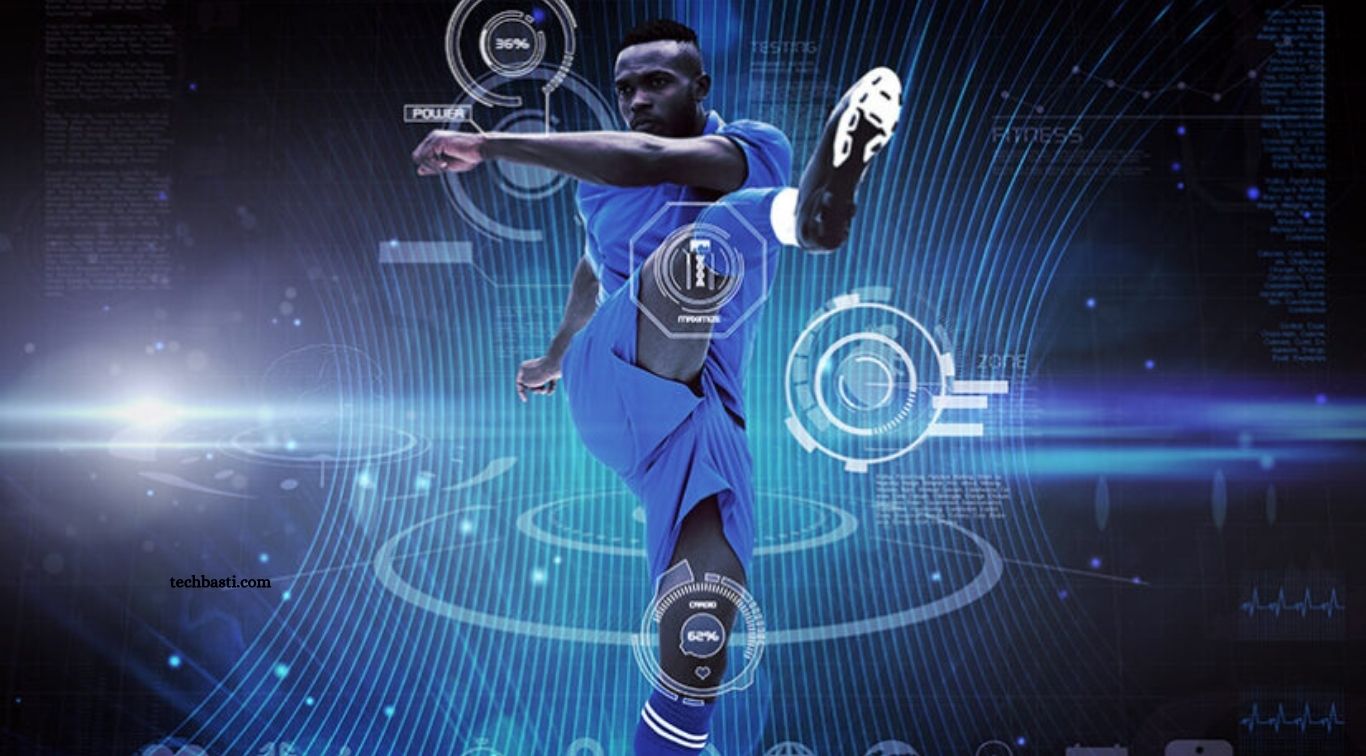
Technology is changing the sports industry in ways that were difficult to imagine a few decades ago. From athlete training and performance analysis to fan engagement and sports broadcasting, digital innovation has become an essential part of modern sports. Teams, coaches, athletes, and sports organizations are using advanced technologies to improve performance, make smarter decisions, and create better experiences for audiences around the world.
The impact of technology goes far beyond professional competitions. Wearable devices, artificial intelligence, data analytics, virtual reality, smart stadiums, and online streaming are changing how people train, compete, watch, and interact with sports. As technology continues to develop, the sports industry is becoming more connected, data-driven, and personalized.
Read More: Sports Science Secrets Behind Elite Performance
The Rise of Sports Technology
Sports technology has developed rapidly as digital tools have become more advanced and accessible. Modern teams can collect detailed information about athlete performance, training intensity, movement, speed, and physical condition. This information gives coaches a clearer picture of what happens during training and competition, allowing them to make better decisions based on real data.
The growth of sports technology has also created new opportunities for fans and sports businesses. Digital platforms make it easier to follow competitions, access live scores, watch matches, purchase tickets, and communicate with other fans. Technology has therefore become an important part of both the sporting experience and the business side of the sports industry.
Artificial Intelligence in Sports
Artificial intelligence is becoming one of the most important technologies in modern sports. AI can process large amounts of information and identify patterns that may be difficult for coaches and analysts to recognize manually. Teams can use AI-powered systems to analyze player performance, study opponents, evaluate tactics, and understand trends during competitions.
AI is also supporting athlete development and sports management. Advanced systems can analyze previous performances and provide useful insights for training and strategy. Although artificial intelligence cannot replace the experience and judgment of coaches, it can provide valuable information that helps professionals make faster and more informed decisions.
Wearable Technology and Athlete Performance
Wearable technology has transformed the way athletes monitor their performance. Smartwatches, fitness trackers, GPS devices, heart-rate monitors, and other sensors can collect information about speed, distance, movement, workload, and physical activity. Coaches can use this data to understand how athletes respond to different training sessions.
Personalized training has become easier because wearable technology provides information about individual athletes. Instead of following the same training approach for everyone, coaches can adjust workouts according to performance and physical condition. This approach can help athletes train more efficiently while also supporting recovery and long-term performance.
Data Analytics Is Changing Sports
Data analytics has become a major part of decision-making in the sports industry. Teams collect huge amounts of information from matches, training sessions, player statistics, and performance tracking systems. By analyzing this information, coaches and analysts can identify trends, evaluate strategies, and understand areas where a team or athlete can improve.
Sports analytics is also influencing recruitment and talent development. Teams can compare players using detailed performance data and identify athletes who may fit specific tactical or physical requirements. While statistics cannot explain every aspect of an athlete’s ability, combining data with professional experience can provide a stronger foundation for important sporting decisions.
Technology and Injury Prevention
Athlete health and injury prevention have become important areas where technology is making a significant difference. Modern tracking systems can monitor training loads, movement patterns, and physical stress. This information can help coaches and medical professionals identify signs of excessive workload before they develop into more serious problems.
Technology is also supporting athlete recovery after injuries. Motion analysis, digital monitoring systems, and performance tracking can help medical teams understand an athlete’s progress during rehabilitation. Recovery information can then be used to create more suitable training schedules and reduce the risk of returning to competition too quickly.
Virtual Reality in Sports Training
Virtual reality is introducing new possibilities for sports training and preparation. VR technology can create realistic environments where athletes can practice specific situations without physically performing the same exercise repeatedly. This can be particularly useful for improving decision-making, concentration, reaction time, and tactical awareness.
Virtual reality can also help athletes prepare for high-pressure situations. Players can experience simulated match environments and practice responding to different scenarios in a controlled setting. As VR systems become more realistic and affordable, they are expected to become an increasingly useful tool for coaches and athletes across different sports.
Video Technology and Better Refereeing
Video technology has changed the way officials make important decisions during sporting events. High-speed cameras, goal-line technology, video review systems, and automated tracking tools provide referees with additional information when a decision is difficult to make. These technologies are helping improve accuracy in many professional sports.
At the same time, the use of video technology has created discussions about the balance between accuracy and the natural flow of a match. Long reviews can interrupt competitions and sometimes create confusion among spectators. Sports organizations therefore continue to improve their systems to ensure that technology supports officials without unnecessarily affecting the pace and excitement of the game.
Smart Stadiums and Fan Experience
Technology is transforming traditional stadiums into connected and intelligent environments. Mobile ticketing, digital payment systems, high-speed internet, smart security, and connected devices are making stadium visits more convenient for spectators. Fans can use their smartphones to access tickets, live statistics, replays, directions, and other digital services during a match.
Smart stadium technology can also help organizations manage large crowds more effectively. Connected cameras and sensors can provide information about crowd movement and venue activity. These systems can improve security while helping stadium operators deliver a smoother experience for fans before, during, and after sporting events.
Streaming and the Future of Sports Broadcasting
Online streaming has changed how people watch sports. Fans are no longer completely dependent on traditional television broadcasts because they can watch live competitions through smartphones, computers, tablets, and smart TVs. Streaming services can also provide highlights, replays, interviews, statistics, and other digital content.
The growth of streaming has made sports more accessible to international audiences. Fans can follow teams and athletes from different countries without relying on local television coverage. Social media has strengthened this connection by allowing athletes and teams to communicate directly with supporters through live content, short videos, behind-the-scenes footage, and real-time updates.
Technology in Sports Marketing
Digital technology has transformed sports marketing by giving teams, athletes, leagues, and sponsors better ways to connect with audiences. Social media platforms allow sports organizations to share content instantly and build stronger relationships with fans. Digital advertising also allows brands to reach specific audiences based on interests and online behavior.
Athletes have become digital brands in their own right. Through social media and other online platforms, they can communicate directly with followers, promote partnerships, share their daily experiences, and develop commercial opportunities. This has expanded sports marketing beyond traditional television advertising and sponsorship campaigns.
Blockchain and Digital Innovation in Sports
Blockchain technology is creating new possibilities for fan engagement and digital ownership in sports. Sports organizations can explore blockchain-based platforms, digital collectibles, and new forms of fan interaction. These technologies can give supporters additional ways to connect with their favorite teams and athletes.
Although blockchain is still developing within the sports industry, it demonstrates how emerging technologies can create new business models. As digital ownership and online communities continue to grow, sports organizations may find new ways to use blockchain while maintaining transparency, security, and value for fans.
Technology Is Making Sports More Accessible
Technology is helping make sports more accessible to people around the world. Digital platforms allow fans to watch competitions and follow athletes regardless of their physical location. Online coaching resources and affordable digital tools are also giving amateur athletes greater access to training information that was once mainly available to professional sports organizations.
Accessibility technology is improving the experience for people with disabilities as well. Features such as captions, audio descriptions, accessible digital platforms, and improved stadium services can help more people enjoy sporting events. Technology is therefore contributing to a more inclusive sports environment while creating opportunities for wider participation.
Challenges of Technology in the Sports Industry
Despite its many advantages, technology also creates challenges for the sports industry. Data privacy is one of the biggest concerns because teams and organizations collect increasingly detailed information about athletes and fans. Sports organizations need strong security systems and responsible data policies to protect this information from misuse.
The cost of advanced technology can also create differences between wealthy organizations and smaller teams. Not every sports organization can afford sophisticated analytics systems, wearable devices, or advanced training facilities. Another concern is excessive dependence on technology, which could reduce some of the human elements that make sports exciting. Finding the right balance between innovation and tradition will remain important.
The Future of Technology in Sports
The future of sports technology will likely involve even greater use of artificial intelligence, wearable devices, advanced analytics, virtual reality, augmented reality, and automation. These technologies are expected to become more connected, allowing teams to collect and analyze information faster while providing athletes with increasingly personalized training and performance insights.
Fans are also likely to experience more personalized sporting events in the future. Augmented reality could provide real-time statistics and interactive information, while smart stadiums could offer customized services based on individual preferences. As these innovations develop, technology will continue to influence how sports are played, managed, broadcast, marketed, and experienced.
Frequently Asked Questions
How is technology changing the sports industry?
Technology is improving athlete performance, sports analytics, broadcasting, fan engagement, and stadium experiences.
How is AI used in sports?
AI helps analyze player performance, predict trends, study opponents, and support coaching decisions.
How does wearable technology help athletes?
Wearable devices track performance, workload, movement, heart rate, and recovery.
Can technology help prevent sports injuries?
Yes, performance tracking and motion analysis can identify excessive workload and potential injury risks.
How is technology improving the fan experience?
Streaming, mobile apps, smart stadiums, live statistics, and digital content provide fans with more convenient and interactive experiences.
What is the future of technology in sports?
The future will likely include greater use of AI, virtual reality, augmented reality, wearable devices, and advanced sports analytics.
Conclusion
Technology is changing almost every part of the sports industry. From artificial intelligence and wearable technology to sports analytics, virtual reality, streaming, and smart stadiums, digital innovation is helping athletes perform better and allowing fans to enjoy more connected experiences. Technology has also created new opportunities for sports organizations, broadcasters, marketers, and businesses. The future of sports will depend on how effectively the industry uses these innovations while maintaining the human side of competition.

1 Comment
Pingback: Best Fitness Routines Inspired by Athletes - TechBasti