

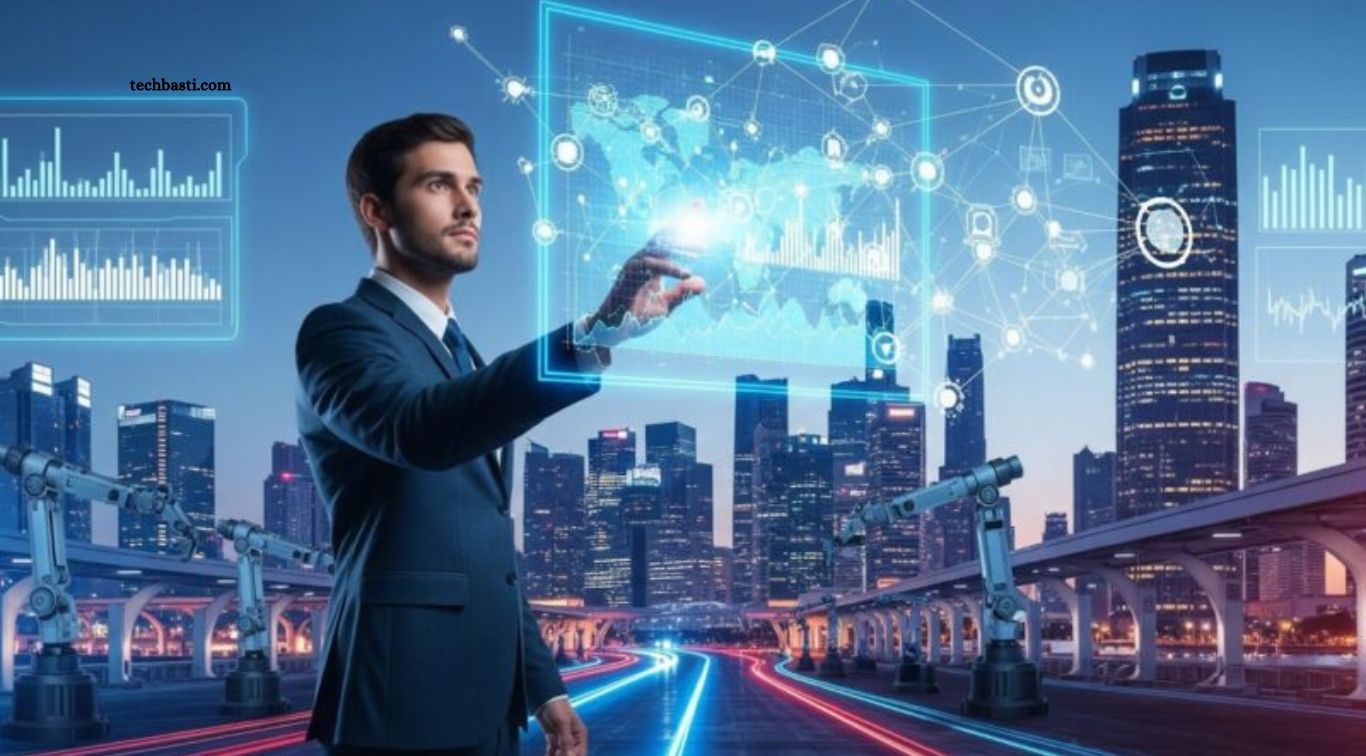
Technology innovations are changing the way people live, work, communicate, and interact with the world. From artificial intelligence and smart devices to digital healthcare and renewable energy, modern technologies are making everyday activities more convenient and efficient. Businesses use digital tools to improve productivity, while individuals rely on technology for education, entertainment, shopping, and communication. These developments are creating new opportunities and reshaping expectations across almost every industry.
As innovation continues, understanding emerging technologies has become increasingly important. Some solutions help people save time, access information, and make better decisions, while others address challenges in healthcare, transportation, education, and environmental sustainability. However, technological progress also introduces concerns involving privacy, cybersecurity, employment, and unequal access. This article explores the major technology innovations transforming modern life, their practical benefits, and the challenges that come with a more connected world.
Read More: Future Tech Trends Every User Should Know
Artificial Intelligence and Machine Learning
Artificial intelligence (AI) is one of the most influential innovations shaping modern life. AI-powered systems can analyze information, recognize patterns, generate content, answer questions, and assist with complex tasks. People use AI assistants to organize schedules, summarize documents, improve writing, and explore ideas. Businesses apply machine learning to customer service, fraud detection, forecasting, and workflow automation, helping teams handle repetitive tasks more efficiently.
Despite these benefits, AI requires responsible implementation and human oversight. Automated systems can produce inaccurate results, reflect biases in training data, or expose sensitive information when used carelessly. Organizations should evaluate AI outputs, protect confidential data, and explain how automated decisions affect people. When used thoughtfully, AI can support human expertise, improve productivity, and make digital services more accessible without eliminating the need for critical thinking.
Smart Devices and the Internet of Things
The Internet of Things (IoT) connects physical devices to networks so they can collect information, communicate, and respond to changing conditions. Smart thermostats, connected security cameras, wearable fitness trackers, and automated lighting systems are common examples. These devices can help people monitor their homes, manage energy consumption, receive alerts, and control household equipment through mobile applications or voice commands.
IoT technology also supports businesses, hospitals, farms, and industrial facilities. Sensors can monitor equipment performance, track inventory, measure environmental conditions, and identify maintenance needs before serious failures occur. However, connected devices can introduce security and privacy risks if manufacturers provide weak protections or users neglect updates. Strong passwords, reliable network security, and careful permission settings help people benefit from connected technology while reducing unnecessary exposure.
Smartphones and Mobile Technology
Smartphones have become essential tools for communication, navigation, financial transactions, photography, education, and entertainment. Modern devices combine high-performance processors, advanced cameras, biometric security, and mobile applications in a compact form. Mobile internet access allows people to attend virtual meetings, access educational materials, manage bank accounts, and communicate with others from almost anywhere with suitable connectivity.
Mobile technology has also helped businesses reach customers through digital payments, online marketplaces, and mobile services. Yet constant connectivity can contribute to distractions, excessive screen time, and concerns about personal data collection. Users can build healthier digital habits by managing notifications, reviewing application permissions, and setting boundaries around device use. When balanced with offline activities, smartphones can improve convenience without becoming a constant source of interruption.
Digital Healthcare and Medical Technology
Digital healthcare innovations are changing how patients access medical information and services. Telemedicine enables consultations through video calls and online platforms, making certain healthcare services more accessible to people who live far from medical facilities or have difficulty traveling. Electronic health records help authorized healthcare professionals organize patient information, while wearable devices can track measurements such as heart rate, activity, and sleep patterns.
Artificial intelligence and medical imaging technologies can also assist clinicians in identifying patterns and supporting diagnosis, although medical decisions require appropriate professional judgment. Remote monitoring may help healthcare teams follow patients between appointments, while digital scheduling systems can improve administrative efficiency. Protecting medical information is essential, so healthcare providers must use suitable security measures and follow applicable privacy rules. Technology can strengthen healthcare delivery, but it should complement rather than replace necessary clinical care.
Online Education and Digital Learning
Online learning platforms have expanded access to educational resources for students, professionals, and lifelong learners. Digital classrooms, recorded lectures, interactive exercises, and virtual collaboration tools allow people to study at flexible times and from different locations. Learners can explore subjects ranging from programming and business management to languages and creative skills without always attending a traditional classroom.
Technology can also help educators adapt learning materials to different needs and provide faster feedback. However, effective digital education requires reliable internet access, suitable devices, clear instruction, and learner motivation. Not every student has the same opportunities or a quiet environment for studying. Combining digital resources with supportive teaching, practical activities, and meaningful interaction can create a more inclusive and effective learning experience.
Cloud Computing and Digital Collaboration
Cloud computing allows people and organizations to access computing resources, applications, and stored information through internet-based services. Instead of depending entirely on a single computer or local server, users can work with online documents, shared storage, hosted software, and scalable infrastructure. Cloud platforms help businesses manage applications, support remote teams, and adjust computing capacity as their needs change.
Digital collaboration tools make it easier for employees to share files, conduct meetings, manage projects, and edit documents together. These capabilities can reduce geographical barriers and support flexible working arrangements. However, organizations should consider subscription costs, service reliability, data ownership, and security when choosing cloud providers. Access controls, regular backups, and clear collaboration policies help prevent accidental data exposure and ensure that cloud services remain useful as organizations grow.
Financial Technology and Digital Payments
Financial technology, often called fintech, is transforming how people manage money and access financial services. Mobile banking, digital wallets, online transfers, and contactless payments allow users to complete many transactions without visiting a physical branch. Digital platforms can also help people review spending, receive payment notifications, and manage personal finances from their smartphones.
For businesses, digital payment systems can simplify checkout processes, support online sales, and speed up transactions. Some financial platforms also provide budgeting tools and access to services that were previously difficult to obtain. However, digital finance carries risks such as phishing, identity theft, fraudulent applications, and unauthorized transactions. Users should enable multifactor authentication when available, verify payment recipients, avoid suspicious links, and monitor account activity regularly.
Robotics and Automation
Robotics and automation are helping organizations perform tasks with greater consistency and efficiency. Industrial robots can assemble products, move materials, and complete repetitive operations in manufacturing facilities. In warehouses, automated systems assist with sorting, inventory handling, and order fulfillment. Robots are also being developed and used for specialized activities in agriculture, healthcare, inspection, and hazardous environments.
Automation can reduce certain manual workloads, improve precision, and allow employees to focus on tasks that require creativity, judgment, or interpersonal skills. However, it can also change job requirements and reduce demand for some roles. Businesses adopting automation should consider worker training, safety, maintenance, and the effects on employees. Investment in reskilling and thoughtful workforce planning can help communities adapt as machines take on a larger share of routine work.
Renewable Energy and Green Technology
Renewable energy technology is helping communities explore cleaner ways to generate electricity and reduce dependence on fossil fuels. Solar panels convert sunlight into electrical power, while wind turbines generate electricity from moving air. Improvements in battery storage, smart grids, and energy management systems can help balance electricity supply and demand as renewable sources become more widely used.
Green technology also includes energy-efficient buildings, electric transportation, improved recycling systems, and methods for monitoring pollution. These innovations can support environmental goals, although their benefits depend on how products are manufactured, powered, used, and disposed of. Solar panels, batteries, and electronic equipment require materials and energy to produce. Continued progress in recycling, durable product design, and responsible resource management can help reduce environmental impacts throughout the technology life cycle.
Virtual Reality and Augmented Reality
Virtual reality (VR) creates immersive digital environments that users can explore through compatible headsets and controllers. Augmented reality (AR), by contrast, overlays digital information onto views of the physical world through smartphones, glasses, or other devices. Both technologies are being explored in gaming, education, product visualization, workplace training, architecture, and remote assistance.
These tools can make complex information easier to understand by allowing users to interact with realistic simulations or digital models. For example, students can explore virtual environments, while technicians may use AR instructions when repairing equipment. However, adoption can be limited by device costs, comfort, accessibility, and the availability of useful content. Developers also need to consider privacy and safety, especially when digital experiences collect location data or encourage users to interact with their surroundings.
Cybersecurity and Digital Privacy
As daily activities move online, cybersecurity has become essential for protecting personal information, business systems, and critical infrastructure. Security innovations include multifactor authentication, password managers, encrypted communication, endpoint protection, and automated threat detection. These tools can help identify suspicious activity, reduce unauthorized access, and protect important information from common digital attacks.
Technology alone cannot eliminate every security risk. Users may still encounter fraudulent messages, weak passwords, unsafe downloads, and misleading websites. Organizations should keep systems updated, limit access to sensitive information, maintain tested backups, and train employees to recognize suspicious activity. Individuals can improve privacy by reviewing application permissions, using unique passwords, and sharing personal details only when necessary. Strong security practices help people benefit from digital services with greater confidence.
The Impact of Technology on Work and Daily Life
Technology has changed how people perform everyday tasks, communicate with colleagues, access services, and organize personal responsibilities. Digital calendars, navigation applications, online shopping, remote work platforms, and automated reminders can save time and reduce routine effort. Businesses use analytics and digital systems to understand customer needs, coordinate operations, and respond more quickly to changing market conditions.
At the same time, greater dependence on technology can create challenges. Constant notifications may interrupt concentration, online misinformation can influence decisions, and digital services may exclude people who lack reliable connectivity or technical skills. The most useful approach is to adopt technology with clear goals and maintain a healthy balance between digital and offline activities. Training, accessibility, and thoughtful design can help ensure that technological progress benefits a broader range of people.
Challenges of Rapid Technological Innovation
Rapid innovation creates opportunities, but it can also make it difficult for individuals and organizations to keep up. New platforms may require training, equipment upgrades, and changes to established workflows. Digital services can become unavailable because of technical failures, and organizations may face higher costs when they depend too heavily on a single provider. Privacy concerns and cybersecurity threats also increase as more information is collected and exchanged.
Another challenge is unequal access to technology. People in areas with limited internet connectivity or expensive devices may miss out on educational, financial, and professional opportunities. Automation can also change employment patterns, making lifelong learning increasingly important. Governments, businesses, educators, and technology developers can address these concerns through digital skills programs, accessible services, transparent policies, and responsible innovation that considers social effects alongside commercial benefits.
The Future of Technology Innovations
Future technology developments are likely to combine artificial intelligence, robotics, connected devices, advanced computing, and more efficient energy systems. AI may become more integrated into everyday software, while improvements in sensors and connectivity could help transportation, healthcare, and industrial systems respond more effectively to changing conditions. Progress in battery technology and renewable energy may also support cleaner electricity and more flexible energy use.
The direction of innovation will depend not only on technical breakthroughs but also on public trust, affordability, regulation, and practical usefulness. Technologies that solve real problems and protect users are more likely to create lasting value than products built around novelty alone. By investing in digital skills, ethical development, and reliable infrastructure, societies can prepare for future advances while reducing avoidable risks.
Frequently Asked Questions
What are technology innovations?
Technology innovations are new or improved tools, systems, and methods that solve problems or make existing activities more effective.
Which technologies are transforming modern life?
Artificial intelligence, smartphones, IoT devices, cloud computing, digital healthcare, robotics, and renewable energy are major examples.
How does technology improve everyday life?
It can simplify communication, provide faster access to information, automate routine tasks, support learning, and improve access to services.
What are the disadvantages of modern technology?
Common concerns include privacy risks, cybersecurity threats, digital inequality, misinformation, screen-time problems, and changes in employment.
How is AI changing modern life?
AI helps people and organizations analyze information, automate tasks, generate content, and support decisions, but its results require appropriate review.
Why is cybersecurity important today?
Cybersecurity protects personal information, financial accounts, business systems, and digital services from unauthorized access and online threats.
Conclusion
Technology innovations are transforming modern life through artificial intelligence, connected devices, mobile computing, digital healthcare, online education, cloud services, financial technology, and renewable energy. These developments can improve convenience, productivity, access to information, and the delivery of essential services. Robotics, virtual reality, and cybersecurity tools are also creating new opportunities across industries while helping address specific operational and safety challenges. However, progress must be accompanied by responsible use, strong privacy protections, digital education, and attention to accessibility. Technology works best when it supports human needs rather than creating unnecessary complexity or widening existing inequalities. By staying informed, learning new skills, and choosing tools carefully, individuals and organizations can make better use of innovation and prepare for a more connected future.
How can people keep up with technological changes?
Follow reliable technology news, learn digital skills, explore useful tools, and review privacy and security practices regularly.
SEO Metadata
- SEO Title: Technology Innovations Transforming Modern Life
- Primary Keyword: Technology innovations transforming modern life
- Secondary Keywords: modern technology innovations, emerging technologies, artificial intelligence, digital transformation, smart technology, future technology trends
- URL Slug:
technology-innovations-transforming-modern-life - Meta Description: Discover technology innovations transforming modern life, from artificial intelligence and smart devices to digital healthcare, renewable energy, and automation.
- Suggested Image Alt Text: Modern technology innovations including artificial intelligence, smart devices, robotics, renewable energy, and digital healthcare.
- Internal-Link Ideas:
- Emerging Technologies That Will Shape the Next Decade
- AI Solutions That Make Everyday Tasks Easier
- Top Software Development Trends This Year
- How Smart Devices Improve Everyday Living
- Cybersecurity Tips for Protecting Personal Information

1 Comment
Pingback: Latest Tech Developments Changing Business and Work - TechBasti