

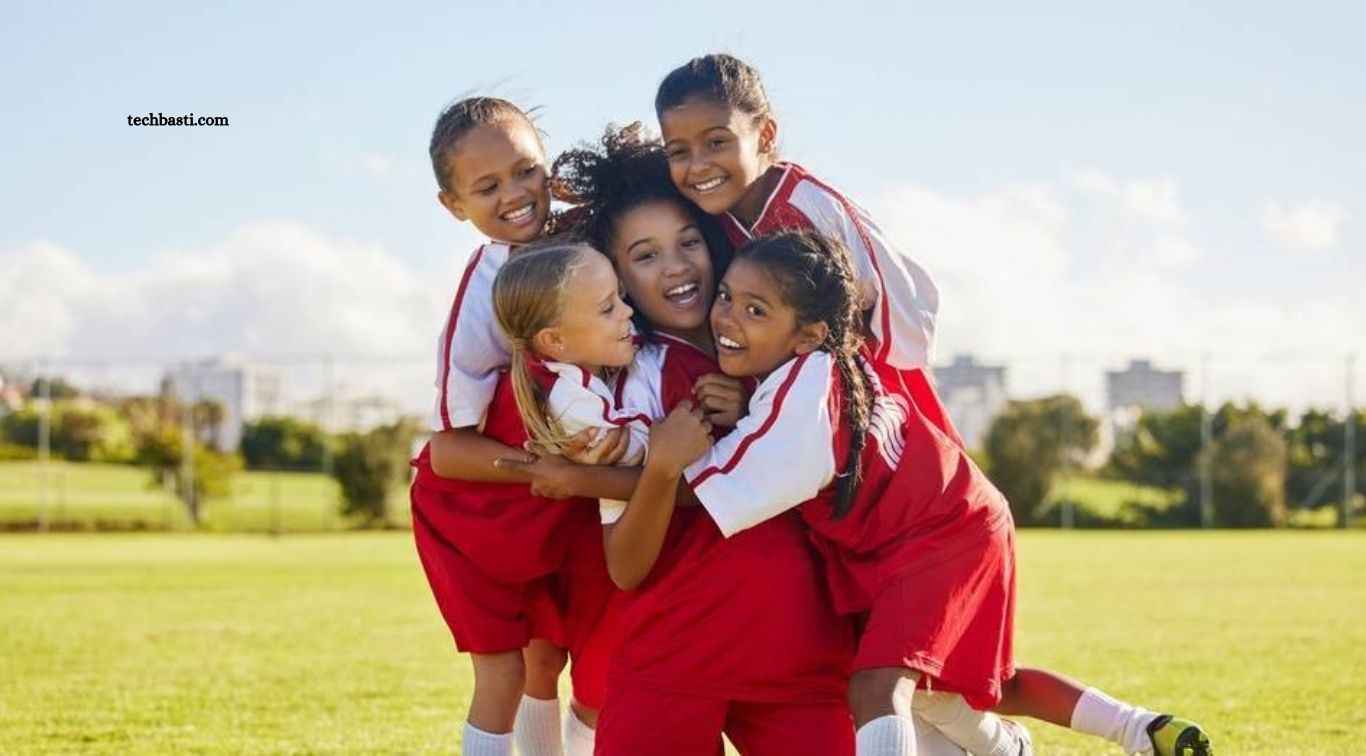
Youth sports play an important role in helping children and teenagers develop healthy bodies, strong minds, and positive social habits. Regular participation in sports gives young people opportunities to stay physically active while learning valuable lessons about teamwork, discipline, communication, and responsibility. Whether children participate in football, basketball, swimming, athletics, cricket, tennis, or another activity, sports can become an important part of healthy development.
The benefits of youth sports extend far beyond competition and physical fitness. A well-structured sports environment can help young people build confidence, manage challenges, develop friendships, and understand the value of consistent effort. When sports programs focus on enjoyment, safety, inclusion, and personal growth, they can support important developmental skills that remain useful throughout life.
Read More: Sports Trends That Are Changing the Game
Physical Health and Fitness
Youth sports encourage children to remain physically active during a stage of life when healthy movement is especially important. Running, jumping, swimming, cycling, and other sports activities help develop cardiovascular fitness, muscular strength, coordination, balance, flexibility, and overall physical ability. Regular exercise can also support healthy growth and establish active habits that may continue into adulthood.
Sports provide a structured alternative to spending excessive time sitting or using digital devices. Children who regularly participate in physical activities can develop a better understanding of how movement affects energy, strength, and wellbeing. Building these habits early can make physical activity feel like a normal and enjoyable part of everyday life rather than an obligation.
Mental and Emotional Development
Sports can support mental development by teaching young people how to handle challenges, setbacks, pressure, and uncertainty. Losing a game or making a mistake can be disappointing, but these experiences can teach children how to recover, analyze what happened, and try again. Over time, young athletes can develop greater emotional control and resilience.
Participation in sports can also provide a positive outlet for stress and emotions. Physical activity may help children feel more energized and engaged while giving them time away from academic and social pressures. A supportive coach, encouraging teammates, and positive family involvement can make sports an environment where young people feel valued and motivated.
Building Confidence
Confidence develops when children recognize their ability to learn and improve. Youth sports provide frequent opportunities to experience this process. A child may initially struggle with a particular skill, but regular practice can lead to visible progress. Successfully learning a new technique, completing a difficult task, or contributing to a team can strengthen self-belief.
Healthy sports environments should focus on effort and development rather than making young people feel that their value depends on winning. When children understand that mistakes are part of learning, they are more willing to take challenges and continue practicing. This mindset can improve confidence in areas beyond sports, including school, relationships, and future work.
Learning Teamwork
Team sports provide practical lessons about cooperation and shared responsibility. Players need to communicate, listen, support one another, and understand their individual roles within a larger group. These experiences help children recognize that successful teamwork requires more than individual ability.
Even individual sports can teach cooperation through relationships with coaches, training partners, officials, and competitors. Young athletes learn how to respect other people, follow shared rules, and contribute positively to a sporting environment. These social skills can become valuable foundations for relationships in education, work, and community life.
Developing Discipline
Sports require consistent practice, preparation, and commitment. Young athletes learn that improvement usually does not happen instantly. Developing a skill requires repetition, patience, and the willingness to continue working when progress feels slow.
This experience can teach children the connection between effort and improvement. Learning to arrive on time, follow training instructions, care for equipment, and maintain regular practice can strengthen organizational habits. These lessons may also help young people approach academic responsibilities and other personal goals with greater consistency.
Teaching Goal Setting
Youth sports give children clear opportunities to set achievable goals. A young athlete might want to improve running speed, learn a new swimming technique, increase endurance, or become more confident during competition. Breaking a larger goal into smaller steps makes progress easier to understand.
Goal setting also teaches young people to measure success through improvement rather than only through final results. A child who does not win a competition can still achieve meaningful progress by improving technique, maintaining effort, or developing better decision-making. This approach encourages patience and long-term thinking.
Improving Social Skills
Sports create opportunities for children to meet people with different personalities, interests, and backgrounds. Training sessions and competitions require young people to communicate regularly, cooperate with others, and respond to different social situations. These experiences can help children become more comfortable interacting with peers.
Friendships developed through sports can also provide a sense of belonging. Being part of a team or sports group gives children a shared activity and common goals. Positive relationships can make participation more enjoyable while helping young people develop communication, empathy, trust, and mutual respect.
Learning Responsibility
Young athletes often have responsibilities connected to practices, competitions, equipment, uniforms, and schedules. Managing these responsibilities can help children understand how their choices affect themselves and others. For example, missing practice may affect preparation for the entire team.
Sports can therefore provide practical lessons about accountability. Children learn that being dependable means completing commitments and considering the needs of other people. With appropriate guidance from adults, these habits can gradually become part of a young person’s broader approach to school, family, and community responsibilities.
Understanding Healthy Competition
Competition can teach young people how to pursue goals while respecting opponents. Healthy competition encourages effort, preparation, strategic thinking, and determination. It can also show children that winning and losing are normal parts of many activities.
The way adults handle competition strongly influences how children experience it. Coaches and parents can help young athletes understand that performance does not determine personal worth. Respect for opponents, officials, teammates, and the rules should remain important regardless of the final result.
Developing Leadership Skills
Youth sports can provide early opportunities to practice leadership. Older or more experienced players may help younger teammates, communicate during games, or take responsibility for certain team activities. These situations allow children to practice decision-making and communication in practical settings.
Leadership in sports does not always mean being the team captain or the most talented player. A young athlete can demonstrate leadership by encouraging teammates, remaining positive during difficult moments, listening to others, or setting a good example during training. These behaviors can help develop leadership qualities that apply to many areas of life.
Improving Time Management
Balancing sports with school, family responsibilities, rest, and other activities requires planning. Young athletes may need to organize homework around training sessions or prepare their equipment before leaving for practice. These routines can introduce children to basic time-management skills.
Learning to manage different commitments can become especially valuable as children grow older. Effective scheduling helps young people understand priorities and avoid unnecessary last-minute pressure. Sports should not overwhelm a child’s schedule, but a balanced program can provide useful experience in managing time responsibly.
Building Resilience
Resilience is the ability to respond constructively to difficulties and continue moving forward. Youth sports naturally create situations where children experience mistakes, losses, injuries, difficult opponents, or periods of slow progress. With proper support, these experiences can become opportunities for learning.
Resilience does not mean ignoring disappointment or pretending that failure does not matter. Children should be allowed to experience emotions while learning healthy ways to respond. Encouraging reflection, patience, and continued effort can help young athletes understand that setbacks are temporary parts of development.
Encouraging Healthy Habits
Sports can encourage young people to pay greater attention to sleep, hydration, nutrition, recovery, and physical preparation. When children understand that their bodies need adequate rest and nourishment to perform well, they can begin developing healthier daily routines.
These lessons should remain age-appropriate and focused on wellbeing rather than appearance or excessive performance pressure. The primary goal of youth sports should be helping children enjoy movement and develop healthy relationships with physical activity. A positive experience can encourage lifelong participation.
Supporting Academic and Life Skills
Youth sports do not automatically guarantee better academic performance, but the skills developed through organized activities can support learning and personal responsibility. Practice routines, goal setting, concentration, persistence, and time management can all be useful when approaching schoolwork.
Sports can also teach children how to respond to feedback. Coaches regularly provide instructions and corrections that athletes must understand and apply. Learning to accept constructive feedback and use it for improvement is a valuable skill that can transfer to education, employment, and other areas of life.
The Role of Parents and Coaches
Parents and coaches have a major influence on whether youth sports become a positive developmental experience. Encouragement, realistic expectations, respectful communication, and attention to safety can help children enjoy participation. Adults should focus on development and wellbeing rather than placing excessive pressure on young athletes to win.
Coaches can create an environment where every child has opportunities to learn and contribute. Parents can support this environment by celebrating effort, progress, teamwork, and good sportsmanship. When adults cooperate around the child’s interests and needs, sports can become a supportive part of healthy development.
Making Youth Sports Safe and Inclusive
Safety should be a central part of every youth sports program. Appropriate equipment, qualified supervision, suitable training intensity, adequate recovery, and attention to injuries can help reduce unnecessary risks. Children should also understand that reporting pain or discomfort is important and should not be treated as weakness.
Inclusion is equally important. Youth sports should provide opportunities for children with different abilities, experience levels, personalities, and backgrounds. Programs that emphasize participation and personal growth can help more young people experience the physical, social, and emotional benefits of sport.
Frequently Asked Questions
Why are youth sports important?
Youth sports support physical fitness while helping children develop social, emotional, and practical life skills.
How do sports improve confidence?
Learning new skills and seeing personal progress can help children develop stronger self-belief and confidence.
Can sports teach teamwork?
Yes. Sports encourage communication, cooperation, shared responsibility, and respect for teammates and opponents.
Do youth sports help with discipline?
Regular training can teach children consistency, preparation, commitment, and responsibility.
What role do parents play in youth sports?
Parents can encourage participation, support healthy habits, respect coaches, and focus on effort and personal development.
Should winning be the main goal?
Winning can be part of competition, but youth sports should also emphasize learning, enjoyment, teamwork, safety, and personal improvement.
Conclusion
Youth sports are important for development because they combine physical activity with valuable lessons about confidence, discipline, teamwork, responsibility, resilience, and goal setting. Children can learn how to handle challenges, communicate with others, manage commitments, and appreciate the benefits of consistent effort through positive sporting experiences. The most meaningful youth sports programs are not defined only by trophies or competition results. Their broader value comes from helping young people become healthier, more confident, socially connected, and prepared to handle challenges.
