

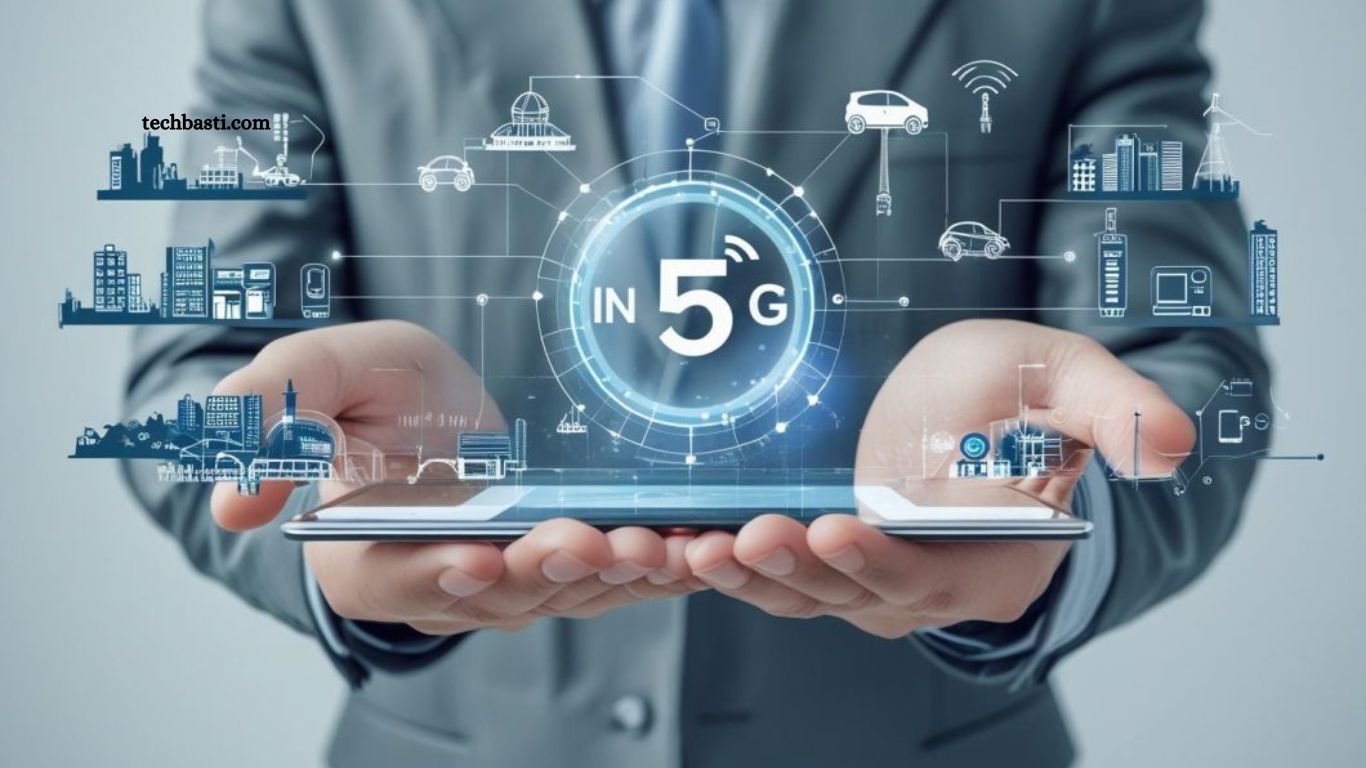
The digital world continues evolving at an incredible pace. Two groundbreaking technologies—5G and Artificial Intelligence (AI)—are driving this transformation. Together, they are reshaping communication, business operations, healthcare, transportation, entertainment, and smart cities. Their combination delivers faster data transmission, intelligent automation, and seamless connectivity across devices.
As organizations embrace digital transformation, 5G and AI create opportunities for innovation, efficiency, and economic growth. Understanding their impact helps businesses and individuals prepare for the future of connected technology.
Read More: Biggest Technology Breakthroughs of the Year
What Is 5G Technology?
5G represents the fifth generation of wireless communication. It offers significantly higher speeds, lower latency, greater reliability, and improved network capacity compared to previous generations.
Key Features of 5G
- Ultra-fast internet speeds
- Low latency for real-time communication
- Massive device connectivity
- Improved network efficiency
- Enhanced mobile broadband
- Reliable communication for critical applications
These capabilities support advanced technologies that require instant data processing and uninterrupted connectivity.
What Is Artificial Intelligence (AI)?
Artificial Intelligence enables computers and machines to perform tasks requiring human intelligence. AI analyzes data, identifies patterns, learns from experience, and makes intelligent decisions with minimal human intervention.
Core AI Technologies
- Machine Learning
- Deep Learning
- Natural Language Processing
- Computer Vision
- Predictive Analytics
- Intelligent Automation
AI continues improving productivity, accuracy, and decision-making across industries.
How 5G and AI Work Together
The combination of AI and 5G creates an intelligent digital ecosystem. 5G provides high-speed connectivity and rapid data transmission, while AI processes enormous amounts of information instantly.
Together, they enable smart systems capable of learning, adapting, and responding in real time. This partnership powers innovations previously impossible with older network technologies.
Benefits of 5G and AI Integration
Faster Decision-Making
AI analyzes real-time data transmitted through 5G networks almost instantly. Businesses receive valuable insights without delays, allowing faster and more accurate decisions.
Enhanced Smart Cities
Smart traffic management, intelligent lighting, waste management, and public safety systems depend on continuous connectivity. AI analyzes city-wide data while 5G ensures reliable communication between millions of connected devices.
Improved Healthcare
Healthcare providers benefit from remote patient monitoring, AI-assisted diagnostics, robotic surgery, and telemedicine. High-speed 5G connections make real-time medical consultations and emergency services more effective.
Smarter Manufacturing
Factories use AI-powered robots, predictive maintenance, and automated quality control systems. 5G enables instant communication between machines, improving productivity and reducing downtime.
Autonomous Vehicles
Self-driving vehicles rely on constant communication with nearby infrastructure, traffic systems, and other vehicles. AI processes are driving decisions while 5G delivers rapid data exchange essential for safe navigation.
Better Customer Experience
Businesses personalize customer interactions using AI-driven recommendations, virtual assistants, and chatbots. Fast 5G connectivity ensures smooth digital experiences across websites, applications, and online services.
Industries Transforming Through 5G and AI
Healthcare
- Remote monitoring
- AI-assisted diagnosis
- Virtual healthcare
- Connected medical devices
Manufacturing
- Smart factories
- Predictive maintenance
- Industrial automation
- Quality inspection
Transportation
- Autonomous vehicles
- Smart traffic management
- Fleet optimization
- Intelligent logistics
Retail
- Personalized shopping
- Inventory management
- AI customer support
- Cashier-free stores
Agriculture
- Precision farming
- Smart irrigation
- Crop monitoring
- Automated equipment
Education
- Virtual classrooms
- AI learning assistants
- Interactive education
- Personalized learning experiences
Real-World Applications
Many industries already use AI and 5G together to improve operations.
Examples include:
- Smart hospitals using connected medical equipment
- Airports managing passenger flow with AI
- Delivery companies are optimizing routes
- Smart homes control appliances automatically
- Financial institutions detecting fraud in real time
- Entertainment platforms providing immersive experiences
These applications continue expanding as network infrastructure improves worldwide.
Challenges of 5G and AI
Despite tremendous potential, several challenges remain.
Data Privacy
Large volumes of personal and business data require strong privacy protection.
Cybersecurity
Connected devices increase security risks, making advanced protection essential.
Infrastructure Costs
Building nationwide 5G networks requires substantial investment.
AI Ethics
Responsible AI development must address fairness, transparency, and accountability.
Skill Gaps
Organizations need professionals skilled in AI, networking, cybersecurity, and cloud technologies.
Future of Connectivity
The future of connectivity depends heavily on the continued evolution of AI and 5G.
Emerging innovations include:
- Fully autonomous transportation
- Advanced robotics
- Intelligent healthcare systems
- Smart energy grids
- Industrial automation
- Immersive virtual and augmented reality
- Massive Internet of Things (IoT) ecosystems
As adoption grows, businesses will unlock new opportunities through intelligent, connected infrastructure.
Why Businesses Should Invest
Organizations adopting AI and 5G gain significant competitive advantages.
Key benefits include:
- Higher operational efficiency
- Better customer engagement
- Reduced operational costs
- Faster innovation
- Improved productivity
- Data-driven decision-making
- Enhanced security and reliability
Early adoption positions businesses for long-term success in an increasingly digital economy.
Frequently Asked Questions
What is 5G technology?
5G is the fifth generation of wireless networks that provides faster speeds, lower latency, and better connectivity.
What is Artificial Intelligence (AI)?
AI is a technology that enables machines to learn, analyze data, and make intelligent decisions.
How do 5G and AI work together?
5G delivers fast data transfer, while AI processes data in real time for smarter applications.
Which industries benefit from 5G and AI?
Healthcare, manufacturing, transportation, retail, education, and agriculture benefit the most.
Is 5G secure for AI applications?
Yes, when combined with strong cybersecurity measures and regular updates.
What is the future of 5G and AI?
They will power smart cities, autonomous vehicles, advanced healthcare, and connected IoT devices.
Conclusion
The combination of 5G and Artificial Intelligence marks a new era of digital connectivity. High-speed communication combined with intelligent automation enables smarter businesses, connected cities, advanced healthcare, and innovative consumer experiences. As technology continues evolving, AI and 5G will become the foundation of future digital transformation.
