

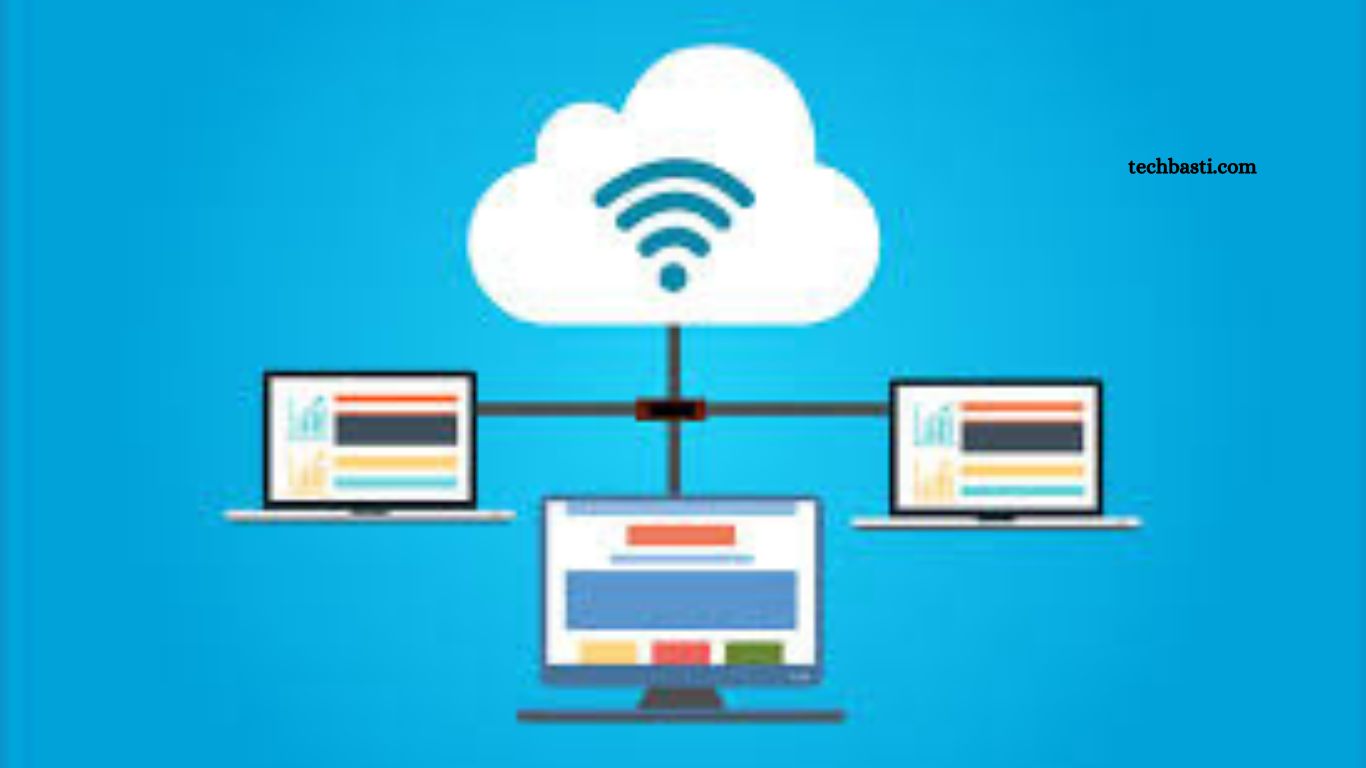
Cloud computing is a modern technology that delivers computing services such as storage, servers, databases, networking, and software over the internet. It removes the need for physical infrastructure and allows users to access powerful resources anytime from anywhere.
Businesses use cloud solutions to improve efficiency, reduce costs, and scale operations quickly. It also supports innovation through data analytics, artificial intelligence, and automation. Cloud computing has become essential in digital transformation, changing how organizations operate and deliver services globally.
Read More: How Automation Is Reshaping Modern Work
What is Cloud Computing
Cloud computing refers to the on-demand delivery of IT resources via the Internet. These resources include servers, databases, networking, software, analytics, and intelligence tools. Users access services anytime, anywhere, using connected devices.
Cloud models include:
- Infrastructure as a Service (IaaS): Virtual machines, storage, networks
- Platform as a Service (PaaS): Development environments, deployment tools
- Software as a Service (SaaS): Ready-to-use applications
Key Benefits of Cloud Computing
Cost Efficiency
Cloud reduces the need for physical hardware. Businesses pay only for used resources. No heavy upfront infrastructure investment required.
Scalability and Flexibility
Cloud systems scale resources instantly. Companies increase or decrease capacity based on demand without downtime.
Remote Accessibility
Users access data and applications from any location. An internet connection enables global collaboration and productivity.
Data Security
Leading cloud providers implement advanced encryption, identity management, and compliance frameworks. Data protection improves compared to traditional systems.
Automatic Updates
Cloud platforms update software automatically. Users always work with the latest features and security patches.
Disaster Recovery
Cloud ensures backup and recovery options. Data remains safe during system failures or cyber incidents.
Cloud Computing Applications
Cloud technology supports multiple industries:
- Healthcare systems for patient records and telemedicine
- Education platforms for e-learning and virtual classrooms
- Finance systems for secure transactions and analytics
- E-commerce platforms for inventory and customer management
- Artificial intelligence and machine learning development
Future Impact of Cloud Computing
Expansion of Edge Computing
Edge computing will process data closer to users. This reduces latency and improves real-time performance.
Growth of AI Integration
Cloud platforms will power advanced artificial intelligence models. Businesses gain predictive insights and automation capabilities.
Increased Hybrid Cloud Adoption
Organizations will combine private and public cloud systems. This approach balances control, security, and scalability.
Serverless Architecture Growth
Developers will focus on code without managing infrastructure. Serverless systems will optimize efficiency and reduce operational complexity.
Stronger Cybersecurity Frameworks
Future cloud systems will include advanced threat detection, zero-trust security models, and automated risk management.
Challenges in Cloud Computing
Despite advantages, cloud computing faces challenges:
- Data privacy concerns
- Internet dependency
- Vendor lock-in risks
- Compliance with regulations
- Cost management for large-scale usage
Frequently Asked Questions
What is cloud computing?
Cloud computing delivers computing services like storage, servers, and software over the internet.
What are the main types of cloud computing?
The main types are IaaS, PaaS, and SaaS.
Why is cloud computing important?
It reduces cost, increases flexibility, and improves accessibility.
Is cloud computing secure?
Yes, it uses encryption and security systems, but risks still depend on usage and provider.
Can cloud computing be used on mobile devices?
Yes, cloud services work on smartphones, tablets, and computers via internet access.
What is the future of cloud computing?
It will grow with AI integration, edge computing, and hybrid cloud systems.
Conclusion
Cloud computing reshapes digital transformation across industries. It improves scalability, reduces operational costs, and supports innovation. Future advancements in AI, edge computing, and hybrid systems will strengthen its global impact. Organizations adopting cloud strategies gain a competitive advantage in the rapidly evolving digital economy.
