

Modern digital platforms operate in an environment where usability determines competitive advantage. Users no longer evaluate systems based solely on feature availability or content depth. Instead, they assess how efficiently they can navigate between sections, complete actions, and maintain interaction without interruption. This shift places navigation architecture at the center of product strategy rather than treating it as a secondary design concern.
The rise of mobile-first interaction accelerated this change. Users now engage with platforms through short, fragmented sessions while switching between multiple apps and contexts. Under these conditions, even minor friction points—extra clicks, unclear navigation paths, or delayed responses—can break engagement. Retention therefore depends less on content quality alone and more on how smoothly the platform supports continuous interaction.
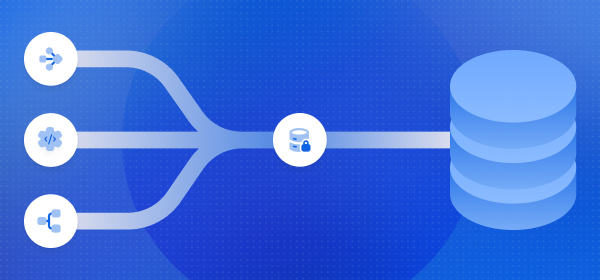
As a result, product teams increasingly move toward centralized navigation models. These systems reduce complexity by organizing multiple categories and features into unified access layers. Instead of forcing users to repeatedly reset context or navigate through isolated sections, centralized platforms enable fluid transitions that preserve interaction momentum. This approach mirrors operational principles found in high-efficiency systems, where reducing transition cost directly improves throughput.
For professionals and decision-makers, understanding this architectural shift is essential. It explains why some platforms sustain long engagement sessions while others struggle to retain users despite offering similar functionality.
How Centralized Navigation Reduces Friction in Digital Ecosystems
Centralized navigation systems reduce friction by aligning interface structure with user behavior patterns. Rather than organizing features based on internal logic or technical constraints, these systems reflect how users naturally move between actions. This alignment minimizes cognitive load and allows users to focus on outcomes instead of figuring out how to interact with the interface.
One clear example of this approach can be observed in multi-category digital ecosystems that rely on a unified lobby structure. Instead of separating content into disconnected modules, these platforms consolidate access points into a single navigation layer. This design allows users to move between categories without losing context or restarting their interaction flow. The underlying principle is not simply convenience but continuity, which plays a critical role in retention.
Platforms built around centralized interaction models often demonstrate how structure influences behavior. In ecosystems similar to those explored through a desi bet app architecture, the emphasis is placed on immediate access, clear categorization, and rapid transitions between different engagement layers. The value of such systems lies in their ability to reduce decision friction. Users do not need to evaluate complex navigation paths because the interface anticipates their movement patterns. This approach reflects a broader trend in UX design, where the goal is to eliminate unnecessary cognitive steps and maintain interaction momentum across the entire session.
Another important factor is predictability. Centralized systems standardize navigation patterns, which allows users to build familiarity quickly. When interaction becomes predictable, users spend less time learning the interface and more time engaging with the platform itself. Over time, this consistency reinforces trust and encourages repeat usage.
Unified Interaction Layers and UX Flow
Unified interaction layers create a continuous environment where transitions feel natural rather than forced. Instead of moving between separate pages with different structures, users interact within a consistent framework. This reduces the mental effort required to adapt to each new section and supports a smoother overall experience.
Behavioral Continuity as a Retention Driver
Behavioral continuity ensures that users can maintain their flow without interruption. When platforms preserve this continuity, they reduce the likelihood of abandonment during transitions. This is especially important in mobile environments, where interruptions are frequent and attention spans are limited.
Simplifying Decision-Making Through Structure
Centralized navigation also simplifies decision-making. By presenting options within a structured and intuitive framework, platforms reduce the cognitive burden associated with choosing the next action. This leads to faster interactions and more sustained engagement.
Why Engagement-Focused Design Drives Long-Term Platform Growth
Engagement-focused design has become a core driver of platform growth because user expectations continue to evolve. As competition increases, users gravitate toward systems that offer not only functionality but also efficiency and clarity. Platforms that fail to meet these expectations often lose users to alternatives that provide smoother experiences.
One of the key forces behind this shift is the attention economy. Users allocate their time to platforms that deliver value quickly and consistently. Delays, confusion, or unnecessary complexity reduce perceived value and increase the likelihood of churn. Engagement-focused design addresses these issues by optimizing every interaction point.
Several principles consistently appear in high-performing platforms:
- minimizing navigation complexity
- ensuring fast response times
- maintaining consistent interface patterns
- supporting uninterrupted interaction flow
These principles are not isolated design choices. They form a cohesive strategy that aligns product architecture with user behavior.
Another important aspect is emotional pacing. Platforms that maintain a steady interaction rhythm create a sense of control and predictability. This emotional stability encourages users to stay engaged longer and return more frequently.
- consistent UX builds trust
- clear navigation reduces frustration
- predictable interactions improve confidence
- streamlined architecture supports scalability
These factors collectively explain why engagement-centered design is now a strategic priority rather than a design preference.
Predictability and User Confidence
Predictable systems allow users to form accurate expectations about how the platform will behave. This reduces uncertainty and creates a sense of reliability, which is essential for long-term engagement.
UX Architecture and Performance Metrics
UX architecture directly impacts performance metrics such as session duration, conversion rate, and retention. By reducing friction and improving flow, centralized systems contribute to measurable business outcomes.
From Feature Expansion to Experience Optimization
Modern platforms increasingly shift focus from adding new features to refining the user experience. This shift reflects the understanding that usability often has a greater impact on growth than feature quantity.
Conclusion
Unified navigation has become a defining element of high-retention digital platforms. By reducing friction, supporting behavioral continuity, and simplifying interaction, centralized systems align platform structure with user expectations. This alignment allows platforms to sustain engagement in environments where attention is limited and competition is intense.
For professionals and decision-makers, the implications are clear. Growth no longer depends solely on expanding functionality. It depends on optimizing how users interact with that functionality. Platforms that prioritize seamless navigation and engagement-focused design will continue to outperform those that rely on fragmented architectures.
As digital ecosystems evolve, centralized navigation will remain a critical factor in shaping user experience. Businesses that understand and implement these principles will be better positioned to build systems that not only attract users but also keep them engaged over time.
