

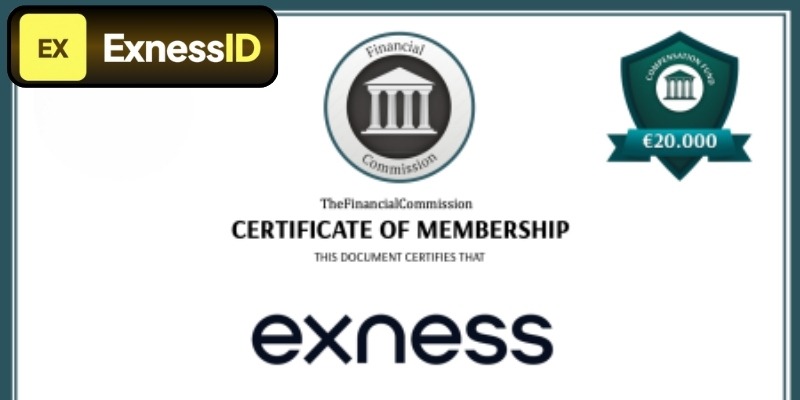
Verifying Exness’s international operating certificates for use in Indonesia is essential for traders who prioritize fund security and broker legitimacy. By understanding the regulatory standards that Exnesscomplies with, Indonesian investors can ensure transparency, trust, and better protection of their capital in the global trading environment.
The Significance of Tier-1 Regulatory Oversight
In the world of decentralized finance and forex trading, “Tier-1” regulators represent the gold standard of financial supervision. These bodies impose rigorous requirements on brokers, including capital adequacy ratios and the mandatory segregation of client funds from company operational accounts. When a broker operates under these licenses, it provides a layer of protection that mitigates the risks of insolvency or malpractice.
For a global entity like Exness, maintaining a portfolio of international licenses is a testament to its commitment to global standards. While local regulations in Indonesia are governed by BAPPEBTI, many professional traders often look for additional layers of security provided by international bodies such as the Financial Conduct Authority (FCA) or the Cyprus Securities and Exchange Commission (CySEC). These organizations ensure that the broker maintains high liquidity and undergoes regular third-party audits.
Key International Certificates Held by Exness
To operate globally, a broker must secure authorizations from multiple jurisdictions. Each license serves a specific purpose and offers different levels of protection based on the region.
Financial Conduct Authority (FCA) – United Kingdom
The FCA is widely regarded as one of the most stringent financial regulators globally. A broker holding an FCA license must comply with the Financial Services Compensation Scheme (FSCS), which protects client assets up to a certain threshold in the event of broker default. Verifying an FCA certificate involves checking the Financial Services Register to ensure the firm is “Authorised” and has the permission to provide investment services.
Cyprus Securities and Exchange Commission (CySEC)
As a primary regulator within the European Union, CySEC ensures that financial service providers follow the MiFID II (Markets in Financial Instruments Directive) guidelines. This directive harmonizes the regulation for investment services across the European Economic Area. For traders using Exness web or mobile platforms, the CySEC license ensures that the broker operates with maximum transparency regarding execution speeds and pricing models.
Financial Sector Conduct Authority (FSCA) – South Africa
Expanding its reach into emerging markets, the FSCA license demonstrates a commitment to fair treatment of customers and market integrity. This regulator focuses heavily on the conduct of financial institutions, ensuring that they provide clear information and do not engage in misleading marketing practices.
How to Verify International Certificates for Use in Indonesia
Verification is a straightforward process that every trader should perform before depositing significant capital. Relying solely on the icons displayed on a website footer is insufficient; one must cross-reference the license numbers with the official databases of the regulators.
First, identify the legal entity name and the license number provided on the broker’s official website. For instance, if you are trading via Exness Indonesia, you should look for the specific subsidiary handling accounts in that region. Once you have the license number, visit the official portal of the regulator (e.g., the FCA’s Register or CySEC’s website). Search for the firm using the license number. A legitimate status will show as “Active” or “Authorised.”
It is also vital to check the “Approved Domains” section on the regulator’s page. Scammers often create “clone firms” that mimic the branding of reputable brokers. By ensuring that the website URL you are using matches the one registered with the FCA or CySEC, you can avoid phishing attempts and fraudulent platforms.
The Impact of Regulation on Trading Conditions
Beyond safety, international certification directly influences the quality of the trading environment. Regulated brokers are required to provide “Negative Balance Protection,” ensuring that a trader cannot lose more than their initial investment during periods of extreme market volatility.
Transparency in Execution and Pricing
Under strict regulatory oversight, Exness must maintain a transparent pricing model. This means that the spreads offered on major currency pairs, commodities, and indices are competitive and reflect real-time market conditions. Regulators monitor for price manipulation or “stop hunting,” which are common complaints in unregulated environments.
Security of the Digital Infrastructure
A regulated broker invests heavily in its technological stack. Whether a trader chooses to execute orders via a desktop terminal or through Exness web, the encryption standards must meet international benchmarks. Regulatory bodies often require firms to implement advanced SSL encryption and two-factor authentication (2FA) to protect user data and financial transactions.
Conclusion
Navigating the complexities of the global forex market requires more than just a good strategy; it requires a foundation of trust. By verifying the international operating certificates of Exness, traders in the Indonesian market can trade with the confidence that their broker is held accountable by the world’s most prestigious financial authorities. While local nuances always exist, the presence of FCA, CySEC, and FSCA licenses provides a robust framework for security, transparency, and professional excellence.
