

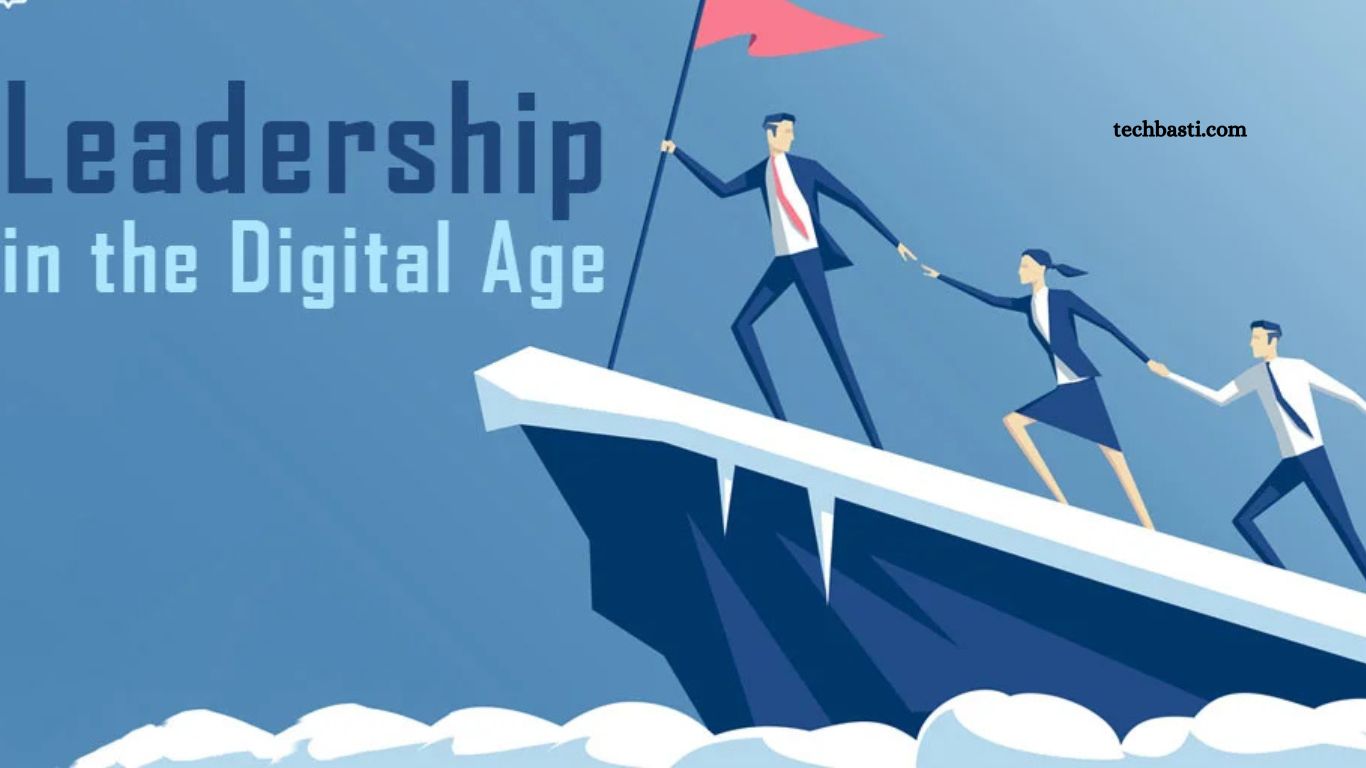
Digital transformation is reshaping the global business environment. Organizations adapting rapidly changing technology landscape while maintaining a strong leadership culture achieve sustainable growth. The leadership of the digital age requires strategic thinking, an innovative mindset, strong communication, and data-driven decision-making.
Effective leadership guides teams through uncertainty, digital disruption, and competitive pressure. This article explores leadership strategies driving business success in the digital era, highlighting essential leadership skills, technology integration, innovation culture, and long-term growth strategies.
Read More: Modern Business Solutions for Rapid Expansion
Digital Age Business Landscape
The modern business environment has influenced rapid technological development, including artificial intelligence, cloud computing, big data analytics, and automation. Organizations embracing digital tools are gaining a competitive advantage, improving efficiency, and expanding market reach.
Key characteristics digital business environment include:
- Rapid technological innovation
- Global digital competition
- Data-driven decision processes
- Remote collaboration workforce
- Customer-centric digital experiences
Leadership capability navigating these changes determines long-term organizational success.
Leadership Role Digital Transformation
Leadership digital era extends beyond traditional management practices. Modern leaders are guiding digital transformation initiatives, encouraging innovation, and building an adaptable organizational culture.
Primary leadership responsibilities for digital transformation include:
Vision Development
Strong leaders create a clear digital vision, aligning business strategy and technology adoption. Vision provides direction to organizational teams, ensuring consistent progress toward digital growth objectives.
Change Management
Digital transformation introduces operational shifts. Effective leaders manage change smoothly through transparent communication, employee engagement, and strategic planning.
Talent Development
Digital success requires a skilled workforce. Leaders prioritize continuous learning, technology training, and leadership development programs.
Innovation Encouragement
Successful organizations promote experimentation, creative problem solving, and rapid product development. Leadership encouraging innovative thinking drives sustainable growth.
Essential Leadership Skills Digital Era
Strategic Thinking
Strategic perspective enabling leaders to anticipate market changes, evaluate emerging technologies, and align digital initiatives with organizational goals.
Digital Literacy
Leaders understand technology fundamentals, including artificial intelligence, data analytics, cybersecurity, and automation. Knowledge supports informed decision making technology investments.
Data-Driven Decision Making
Modern organizations generate massive data volumes. Leadership leveraging analytics insights, identifying opportunities, improving operational efficiency, and enhancing customer experience.
Emotional Intelligence
Strong emotional intelligence helps leaders build trust, manage diverse teams, and maintain a positive workplace culture, especially in remote or hybrid environments.
Agility Adaptability
Digital market conditions are changing rapidly. Agile leadership enables quick responses to challenges, technological disruption, and customer expectation shifts.
Technology Integration Business Growth
Successful leadership in the digital era prioritizes technology integration across business operations. Strategic technology adoption enhances productivity, innovation, and customer engagement.
Important technology areas include:
Artificial Intelligence
AI systems are improving decision accuracy, automating repetitive tasks, and enabling predictive analytics and business forecasting.
Cloud Computing
Cloud platforms supporting scalable infrastructure, secure data storage, and collaborative digital workflows across global teams.
Data Analytics
Advanced analytics uncovering customer insights, market trends, and operational improvement opportunities.
Automation
Automation streamlines processes, reduces operational costs, improving productivity across departments.
Leadership guiding technology implementation ensures maximum organizational value.
Innovation Culture Organizational Success
An innovation culture is essential for digital competitiveness. Leadership encouraging experimentation, cross-department collaboration, and knowledge sharing strengthens creative thinking.
Strategies for building an innovation culture include:
- Encouraging idea generation programs
- Supporting research development initiatives
- Rewarding creative problem-solving
- Promoting collaborative digital workspaces
- Investing in continuous skill development
Organizations fostering an innovative culture remain competitive in dynamic markets.
Customer-Centric Leadership Strategy
Digital age customers are expecting personalized experiences, fast service delivery, and seamless digital interaction. Leadership prioritizing customer-centric strategies improves brand loyalty and revenue growth.
Customer-focused leadership includes:
- Data-based customer insight analysis
- Personalized product recommendations
- Responsive digital support systems
- Continuous feedback integration
Customer satisfaction directly influences business performance in the digital marketplace.
Future Leadership Trends
Emerging leadership trends shaping future business success:
- AI-assisted strategic planning
- Remote leadership management
- Digital ethics governance
- Sustainable innovation strategies
- Advanced data intelligence leadership
Organizations adapting these trends strengthen long-term competitiveness.
Frequently Asked Questions
What does leadership means digital age?
Leadership in the digital age involves guiding organizations through technology adoption, innovation culture, and data-driven decision processes.
Why is digital leadership important for business success?
Digital leadership supports technology integration, operational efficiency, competitive advantage global digital marketplace.
What key skills do digital era leaders require?
Strategic thinking, digital literacy, data analysis capability, adaptability, and strong communication skills.
How does digital transformation influence leadership?
Digital transformation requires leaders to manage change, encourage innovation, and support workforce technology development.
Role of data analytics in modern leadership?
Data analytics supports informed decisions, customer insights identification, and operational performance improvement.
How do leaders build an innovation culture?
Leaders encourage experimentation, collaborative teamwork, continuous learning, creative problem-solving environment.
Conclusion
Leadership digital age requires vision, adaptability, technological awareness, innovation mindset. Businesses guided by effective leadership integrate digital technology successfully, build a resilient organizational culture, and deliver exceptional customer value.
